Welcome to Yongyi Fasteners, Your Reliable Fastener Supply Partner!

-
ProductsWe supply flat washers, spring washers, drop-in anchors, anchor bolts, hex nuts, hex bolts, sleeve anchors, threaded rods and OEM fastener products to DIN, BS, ANSI and MS standards.

-
About usHEBEI YONGYI FASTENERS MANUFACTURING CO.,LTD is located in China's largest fasteners production base Yongnian fasteners centre.
-
NewsHebei Yongyi Fasteners shares company updates, product knowledge and fastener industry news for global buyers.
-
ServiceThe products sold throughout the domestic and exported to Southeast Asia and Europe and other countries and regions. Our products win good reputation with domestic and foreign customers.



YONGYI FASTENERS
Support stable quality from material selection, processing and inspection to final delivery.
FOCUS ON HOT SPOTS


Hex Bolt Basics What Makes Them Essential for Projects
Published:
2026-04-17
Author:
YONGYI FASTENERS
A hex bolt bolt is a six-sided fastener used in construction, machinery, and furniture for strong, reliable connections in various projects.
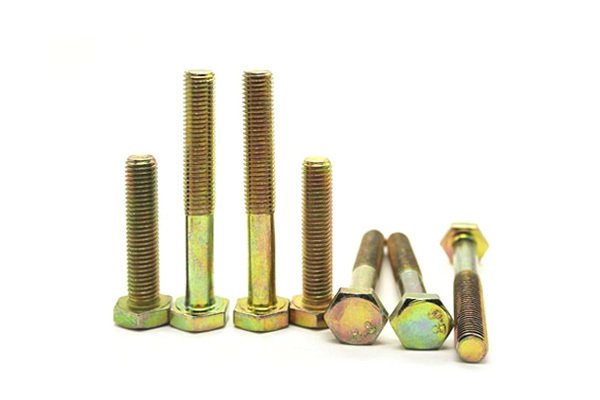
A hex bolt is a fastener with a six-sided head. It has machine threads. You use a wrench or socket to drive it in. You see this fastener in many places. It holds parts together with strong force and does not fail easily. Many industries use hex bolts for building and strength. The table below shows where you might see a hex bolt used:
You can trust a hex bolt for its strength and flexibility. It is also easy to put in. This fastener is good for steel beams, machines, or furniture. When you choose a hex bolt, you fix many fastening problems with one design. If you hear someone say hex bolt bolt, they mean this same strong fastener. This overview helps you see why hex bolts are the top choice for many projects.
What Is a Hex Bolt
Hex Bolt Definition
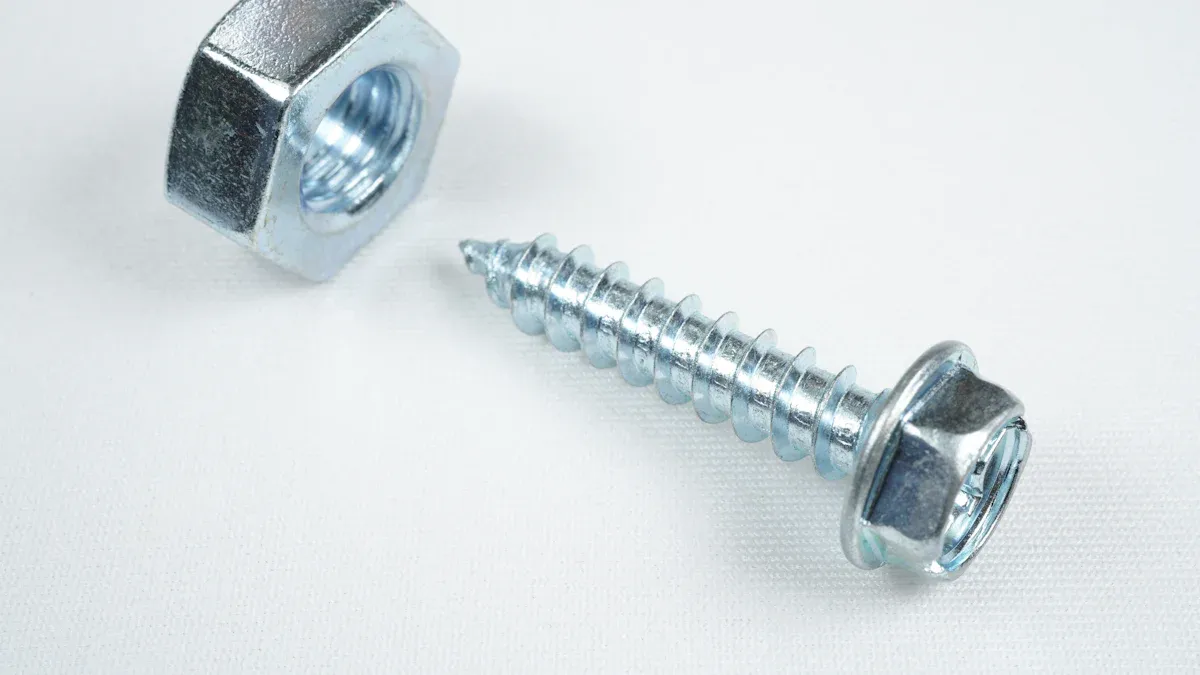
A hex bolt bolt is a type of fastener you see in many building and repair projects. You can spot it by its six-sided head. This shape makes it easy for you to grip with a wrench or socket. The hex bolt bolt holds parts together with strong force. You find it in construction, machinery, and even furniture. People sometimes call it a hex cap screw or just a hex bolt. These fasteners follow strict standards, such as ISO 4014 and DIN 931, to make sure they fit and work well in many places. You can learn more about these standards on Engineering Toolbox.
Head Shape
The head of a hex bolt bolt has six flat sides. This design lets you use common tools to tighten or loosen the fastener. The shape also helps you get a good grip, so the tool does not slip when you turn it. You can use a wrench or a socket to work with this fastener. The large head gives you more control and lets you apply more force.
Machine Threads
A hex bolt bolt has machine threads along part or all of its shaft. These threads match with a nut or a tapped hole. When you turn the fastener, the threads pull the parts together tightly. This design keeps everything secure and stops the parts from moving. You can find hex bolt bolts in many sizes, so you can pick the right one for your project.
Hex Bolt
You might hear people say "hex bolt" or "hex bolt bolt." Both terms mean the same thing. They both describe a fastener with a six-sided head and machine threads. Some people use "hex bolt bolt" to make it clear they are talking about this specific fastener. No matter which name you use, you get a strong and reliable way to hold things together.
Hex Bolts and Hex Socket Head Cap Screws
You may wonder how hex bolts compare to hex socket head cap screws. These two fasteners look different and work in different ways. A hex bolt bolt has an external six-sided head. You use a wrench or socket to turn it. Hex socket head cap screws have a round head with a hex-shaped hole inside. You use an Allen key or hex driver to turn these fasteners.
Here is a table to help you see the main differences:
You use a hex bolt bolt when you need to hold heavy parts together, like in steel beams or large machines. Hex socket head cap screws work best in tight spaces or when you need a smooth finish. These fasteners are common in equipment that needs careful assembly, such as engines or electronics.
When you choose between a hex bolt bolt and hex socket head cap screws, think about the tools you have and the space you need to work in. Hex bolt bolts give you more strength and are easier to install with basic tools. Hex socket head cap screws fit where a wrench cannot reach and help you build precise machines.
You will see both types of fastener in many projects. Each one has a special job. Knowing the difference helps you pick the right fastener for your work.
Key Features of Hex Bolts
Strength and Durability
When you choose a fastener for a project, you want something that will not break under pressure. A hex bolt gives you high strength and durability. You can see this in the way engineers measure the mechanical properties of these fasteners. The table below shows the minimum yield strength, tensile strength, and hardness for common hex bolts. These numbers tell you how much force the fastener can handle before it bends or breaks.
You can trust a hex bolt to hold heavy loads in place. The strong steel and precise threads help the fastener grip tightly. This means you can use hex bolts in bridges, machines, and other places where safety matters. You do not have to worry about the fastener slipping or snapping when you use the right grade.
Versatility
You will find hex bolts in many types of projects. These fasteners work well in wood and metal. You can use them to build a deck, fix a car, or put together a machine. The design of a hex bolt lets you pair it with nuts or screw it into tapped holes. This flexibility makes the fastener a top choice for builders and repair experts.
You can use hex bolts in wood and metal.
The fastener works for both light and heavy jobs.
You can install the fastener with simple tools.
The fastener fits with nuts or tapped holes.
You can find the fastener in many sizes.
You do not need special training to use a hex bolt. The fastener fits many needs, so you can keep a few on hand for quick repairs. This versatility saves you time and effort on the job.
Installation and Removal
You will notice the ease of installation when you use a hex bolt. The six-sided head gives you a good grip with a wrench or socket. You do not need fancy tools. You can tighten or loosen the fastener quickly, even in tight spaces. This installation ease helps you finish projects faster and with less stress.
If you need to remove the fastener, you can do it without damaging the parts. The strong head shape keeps the tool from slipping. You can reuse the hex bolt if it is still in good shape. This makes the fastener a smart choice for projects that need repairs or changes later.
Tip: Always match the hex bolt size to your tool for the best results. This keeps the fastener in good condition and makes your work easier.
A hex bolt stands out because it combines strength, flexibility, and simple use. You can count on this fastener for many jobs, big or small.
Common Uses of Hex Bolts
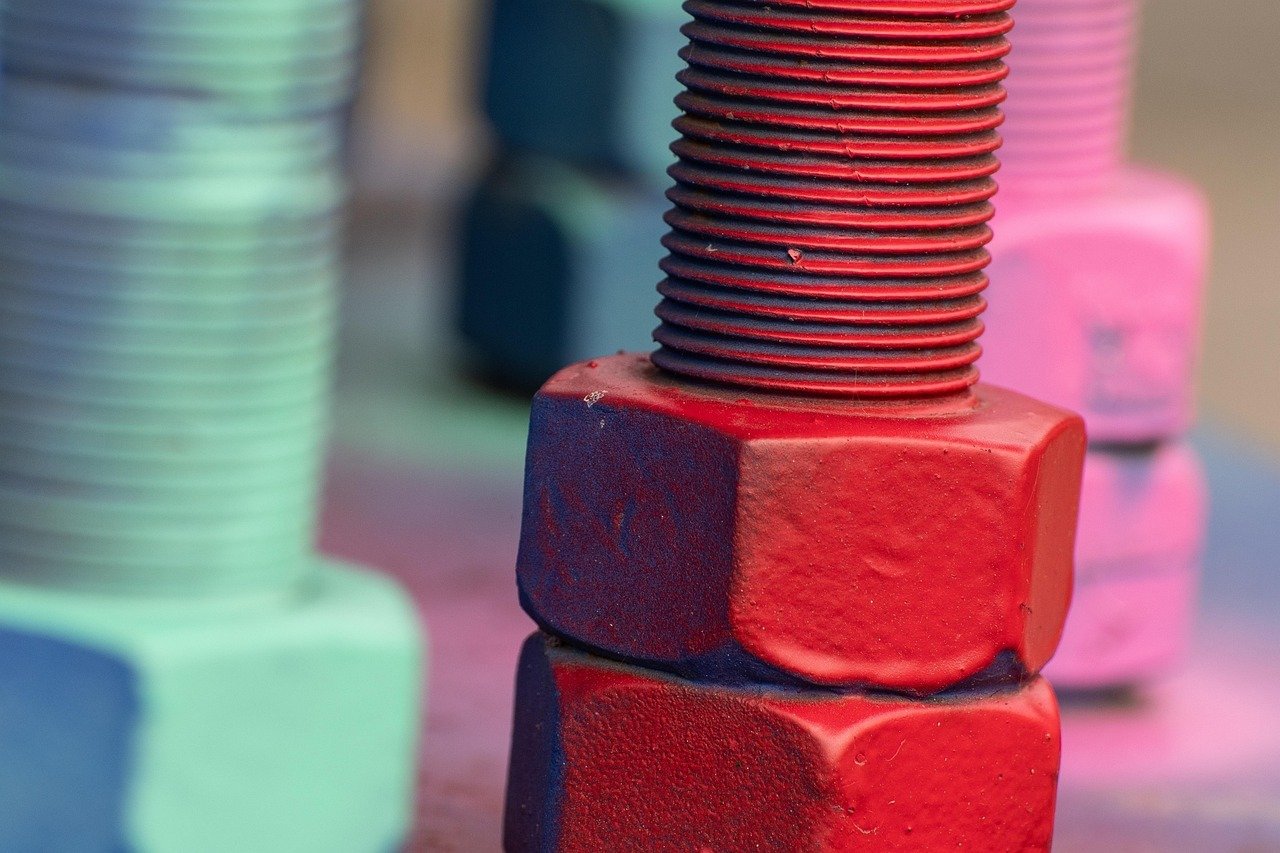
Hex bolts are used in many jobs and industries. They are strong and dependable. This makes them good for holding heavy things together. You can find hex bolts in big buildings and small home fixes.
Construction and Structural Applications
Hex bolts help build strong frames in construction. They connect metal and wood parts. For example, they tie steel posts and hold wood roof supports. Hex head screws can handle sideways forces. This helps buildings stay safe from wind and earthquakes.
Hex bolts also join wall sections that are made ahead of time. This makes building faster and safer. Builders can tighten hex bolts hard. This keeps the frame steady for a long time. That is why hex bolts are chosen for important jobs where safety matters.
Steel Beams and Bridges
Hex bolts are used in steel beams and bridges. They hold heavy steel parts together. Hex bolts can carry big weights. They do not loosen from shaking or weather. Engineers pick hex bolts because they last for years and keep things safe.
Machinery and Equipment
Hex bolts are needed to build and fix machines. They are used in steel connections. Their strength keeps machines tight and safe when running.
In factories, hex bolts hold machine parts together. They make it easy to take apart machines for repairs. Hex bolts are also used in building and making things. They can handle strong turning force. This makes them good for mounting heavy equipment.
Outdoor and Home Projects
Hex bolts are great for outdoor and home projects. They are strong and easy to use. Hex bolts are perfect for putting together furniture. They help make decks and outdoor chairs sturdy.
Hex bolts are used for building fences and fixing cars. They do not rust easily, so they work well outside. Using washers and nuts helps them last longer.
In car repairs, hex bolts fasten engine parts and chassis. They are used in many do-it-yourself projects. Their strength and easy use help you finish tasks quickly.
For more examples, check Fastener Mart. It shows where hex bolts are used and their standards.
Summary
Hex bolts are important because they are strong and easy to use. They work in big buildings, machines, and outdoor jobs. Hex bolts keep growing in use as new ways to build things appear. They are a key part in many fields.
Choosing Hex Bolts
Selecting the right fastener for your project can make a big difference in safety and performance. You need to think about the material, size, and how well the fastener works with nuts and washers. Each factor helps you get the best results and avoid problems later.
Material Types
You will find hex bolts made from different materials. Each type has its own strengths and best uses. Here are the most common materials for this fastener:
Carbon steel gives you a good balance of strength and cost. You can use it for most building and repair jobs.
Stainless steel works well in places where rust is a problem, like near water or chemicals. Grades such as A2-70 and A4-80 offer strong corrosion resistance.
Alloy steel is the choice for high-strength needs. This fastener often goes through heat treatment to handle very high pull forces.
Brass and titanium are used for special jobs. Brass helps when you need electrical conductivity. Titanium is light and strong, making it useful in aerospace.
If you need a fastener that stands up to harsh weather or chemicals, stainless steel is a smart pick. For example, 316 stainless steel contains molybdenum, which helps it resist pitting and corrosion in salty or chemical-rich places. This type can last much longer in salt spray than 304 stainless steel. You should match the material to your environment for the best results.
Sizing and Length
Getting the right size and length for your fastener is important. If you pick a bolt that is too short, it may not hold the parts together. If it is too long, it can stick out and cause problems. You should measure the thickness of the materials you want to join. Then, add enough length for the nut and washer if you use them.
Use this simple table to help you choose:
Always check the diameter too. A thicker fastener gives more strength, but it must fit the hole in your parts.
Tip: Use a ruler or caliper to measure both the hole and the materials before picking your hex bolts.
Compatibility with Nuts and Washers
You need to make sure your fastener works well with nuts and washers. The right match keeps your project safe and strong. Here are some things to check:
Material grade should match between the fastener, nut, and washer. This helps prevent rust and keeps the strength even.
Strength class tells you how much force the fastener can handle. Always pair fasteners and nuts with the same class.
Think about where you will use the fastener. Outdoor or wet places need corrosion-resistant materials.
The base material, like wood or metal, affects which fastener you should use.
The direction of the load matters. Some fasteners work better for pulling, others for sideways force.
If you use the right combination, your hex bolts will hold tight and last longer. Always double-check the fit and grade before starting your project.
Hex Bolt Mistakes to Avoid
When you work with hex bolts, you want your project to stay safe and last a long time. Mistakes can lead to weak joints, broken parts, or even dangerous failures. You can avoid these problems by learning about the most common errors.
Over-Tightening and Under-Tightening
You might think that making a bolt as tight as possible is always best. This is not true. Over-tightening can strip threads or break the bolt. Under-tightening leaves the joint loose and weak. Both mistakes can cause serious problems.
Here are some possible consequences:
Safety risks: Fastener failure can lead to equipment collapse, serious injury, or death.
Costly downtime: Unplanned maintenance disrupts operations and production.
Repair expenses: Damage to components, lost production, and emergency repairs can accumulate.
Legal liability: Failures may result in legal and regulatory consequences.
Reputation damage: Product failures can harm brand reputation and customer trust.
You should always use a torque wrench or follow the recommended torque values for hex bolts. This helps you get the right tightness every time.
Wrong Material or Size
Choosing the wrong material or size for hex bolts can weaken your project. You need to match the bolt to the job. If you use a low-strength bolt in a high-load spot, it can break. If you ignore corrosion, the bolt can rust and fail.
Here is a table showing common mistakes and what they mean:
You should check the environment and the load before you pick hex bolts. Always measure the parts and use the right size for a strong connection.
Thread Type Confusion
Thread type confusion happens when you mix coarse and fine threads. You might think the bolt fits at first, but the threads do not line up. After a few turns, the bolt binds and will not go further. If you force it, you can strip both the bolt and the nut. This makes the connection weak and unsafe.
You should always check the thread pitch before you install hex bolts. Match the bolt and nut to avoid assembly failures. If you are not sure, use a thread gauge or ask for help.
Tip: Take your time to check each part before you start. Careful work helps you avoid costly mistakes and keeps your project safe.
By learning about these mistakes, you can use hex bolts with confidence. You will build stronger, safer projects that last.
Hex Bolt Installation Tips
Tools Needed
Before you start working with hex bolts, gather the right tools and supplies. Using the correct tools helps you avoid damaging the bolt head and ensures a secure fit.
Wrenches & Sockets: These tools grip the hex head tightly. You can use them to turn the bolt without slipping.
Torque Wrench: This tool lets you tighten bolts to the exact force needed. It helps prevent over-tightening or under-tightening.
Lock Washers: These small rings keep bolts from loosening when things shake or move.
Thread Lockers: These are special liquids that hold bolts in place. They stop bolts from backing out over time.
Tip: Always match your wrench or socket size to the bolt head. This keeps the bolt in good shape and makes your job easier.
Step-by-Step Guide
You can install hex bolts easily if you follow a simple process. Here is a step-by-step guide to help you get strong and safe connections:
Align the Parts: Place the items you want to join together. Make sure the holes line up.
Mark Drill Points: Decide how many bolts you need. Mark the spots with a pencil.
Drill Pilot Holes: Pick the right drill bit for your material. Drill holes where you marked.
Insert the Bolt: Push the hex bolt through the hole.
Add Washer and Nut: Slide a washer onto the bolt, then screw on the nut by hand until the washer touches the surface.
Tighten the Bolt: Use a socket wrench to turn the nut. Keep going until you feel resistance.
Check Tightness: Use a torque wrench to make sure the bolt is tight enough, but not too tight.
For Tapped Holes: If you use a threaded hole instead of a nut, guide the bolt in with a socket wrench.
Note: Always check the tightness after a few uses, especially if the project faces vibration or heavy loads.
Maintenance
Taking care of hex bolts helps them last longer, especially outdoors. Regular checks and simple steps keep your projects safe and strong.
🛠️ Tip: In wet or salty places, check bolts more often and use extra protection to stop rust.
By using the right tools, following each step, and keeping up with maintenance, you make sure your hex bolts stay strong and safe for years.
You use hex bolts because they are strong and easy to put in. They work for many different projects. Picking the right bolt and not making mistakes keeps your work safe and long-lasting. If you choose and install bolts the right way, your project is safer. The table below shows what you should think about:
You notice new ideas in materials and smart technology. These changes help hex bolts last longer and work better in tough jobs. You can look at special websites to learn more about these new things and make your projects even better.
Get Quote
Welcome To Know Our Products
Get Product and Service Information
Follow us
We provide OEM service and focus on stable quality, competitive pricing and responsive export support.


Contact Info
Add:Dongmingyang Industrial Park, Mingguan Town, Yongnian District, Handan City, Hebei Province China
Export salesman:
WhatsApp:+86 18830064300
E-mail: sales@hgtfix.com
Export salesman:
WhatsApp
+86 18830064300
E-mail:
Copyright © 2022 HEBEI YONGYI FASTENERS MANUFACTURING CO.,LTD Power by 300.cn | SEO