Welcome to Yongyi Fasteners, Your Reliable Fastener Supply Partner!

-
ProductsWe supply flat washers, spring washers, drop-in anchors, anchor bolts, hex nuts, hex bolts, sleeve anchors, threaded rods and OEM fastener products to DIN, BS, ANSI and MS standards.

-
About usHEBEI YONGYI FASTENERS MANUFACTURING CO.,LTD is located in China's largest fasteners production base Yongnian fasteners centre.
-
NewsHebei Yongyi Fasteners shares company updates, product knowledge and fastener industry news for global buyers.
-
ServiceThe products sold throughout the domestic and exported to Southeast Asia and Europe and other countries and regions. Our products win good reputation with domestic and foreign customers.



YONGYI FASTENERS
Support stable quality from material selection, processing and inspection to final delivery.
FOCUS ON HOT SPOTS


Hex Screw vs Hex Bolt: Which Is Right for Your Project
Published:
2026-04-16
Author:
YONGYI FASTENERS
Hex screw or hex bolt? Understand the key differences, uses, and how to choose the right fastener for your project based on strength and installation.
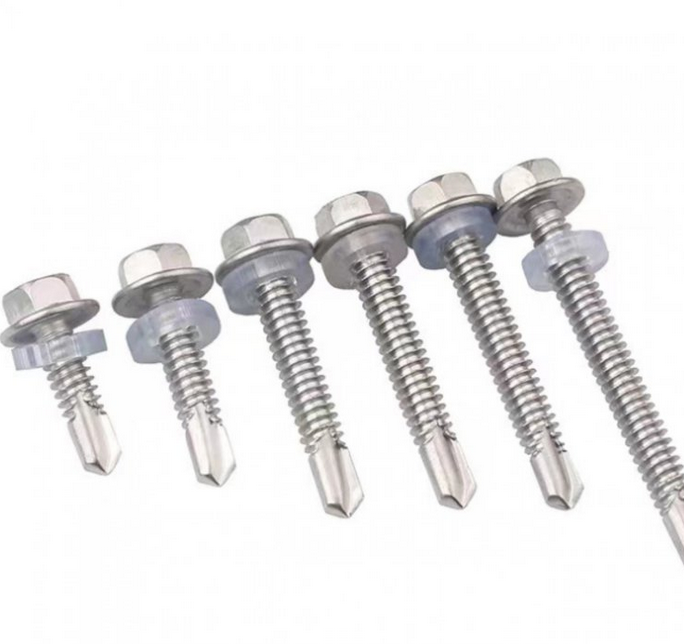
You might wonder what sets a hex screw apart from a hex bolt. The main difference lies in how you use them. A hex screw usually drills directly into material and holds on its own, while a hex bolt needs a nut to secure two pieces together. If you feel unsure about which one fits your project, you are not alone. Many people find these fasteners look similar but work in different ways. By learning how to spot and use each type, you can make strong, lasting connections in your work.
Hex Screw Overview
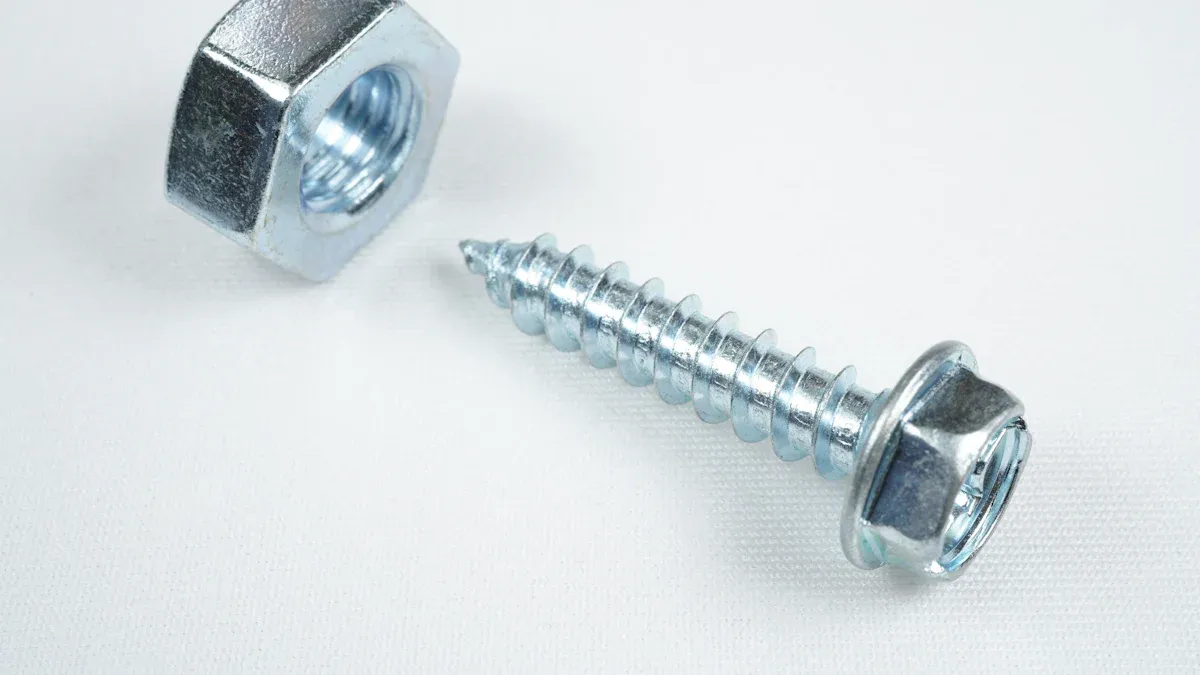
What Is a Hex Screw
A hex screw has a head with six sides. This shape lets you grip it with a wrench or socket. You can turn it with more force. This helps you put the screw into hard materials. The hexagonal head also stops slipping and damage when you install it. You get a tight fit and less chance of stripping the head.
Head Types
There are different head types for a hex screw. The most common is the hexagonal head. You might also see round heads and countersunk heads. Each type has its own use. The hex head works with regular tools for fast work. A round head gives a smooth look. Countersunk heads sit flat with the surface. This is good when you want the project to look nice.
Threading and Installation
Most hex screws have threads along the whole shaft. This helps the screw hold materials tightly. You can put hex screws into wood, metal, or plastic. Some need a pilot hole, but many do not. Self-drilling hex screws make their own hole. The threads keep the screw tight and stop it from coming loose.
Common Uses
Materials and Applications
Hex screws are used in many places. At home, they hold up cabinets and heavy countertops. They also attach frames in kitchens. Furniture makers use them for tables, bed frames, and shelves. In big projects, hex screws hold roof clips to purlins and panels to steel frames. They also secure HVAC ductwork. Electricians use them to mount boxes to steel studs. You might use them for docks, beams, guardrails, and fuse boxes.
Example: Self-Drilling Hex Screws
Self-drilling hex screws are very helpful in building. These screws have a sharp tip. They drill, tap, and lock in one step. You do not need to drill a hole first. This saves time and work. The High Quality Hexagon Drill Tail Screw is a good example. It has a special tail for fastening steel tiles or thin plates. The self-drilling tip makes work faster, especially with metal roofs or cladding. Experts say to pick the right drill point for your material, like stainless steel.
Tip: Using self-drilling hex screws saves money and time. You get a strong hold without extra steps.
If you want to see the difference between a hex screw and a hex bolt, look at diagrams or pictures. These can help you pick the right fastener for your project.
Hex Bolt Overview
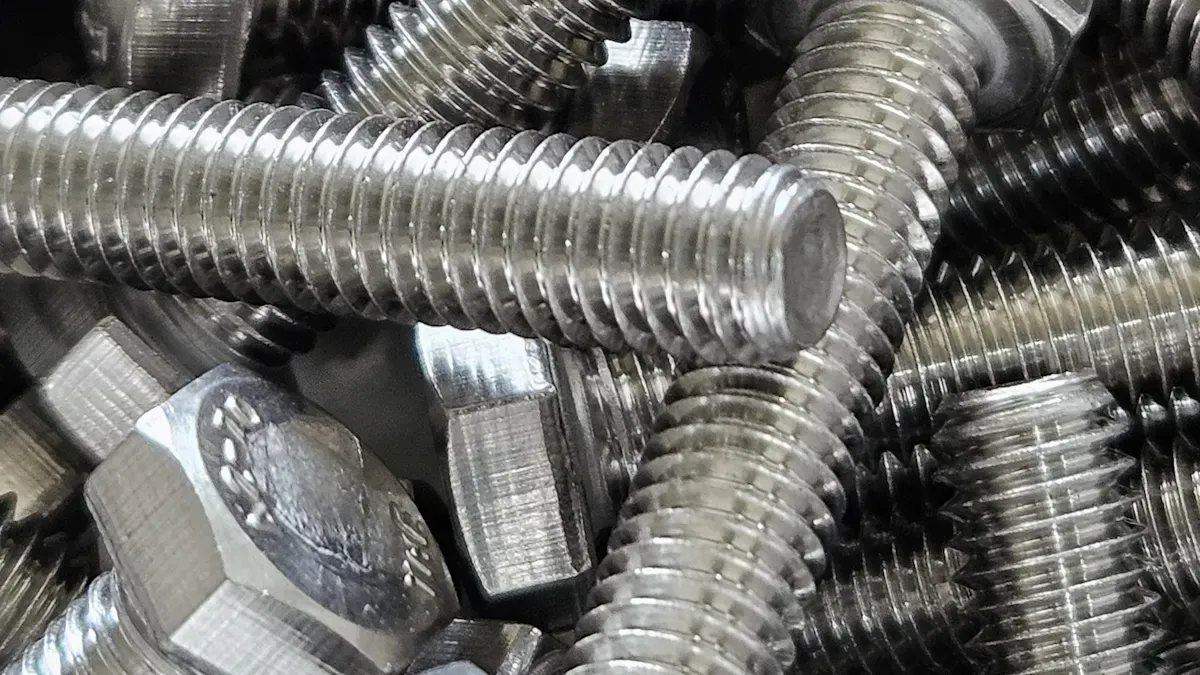
What Is a Hex Bolt
A hex bolt is a strong fastener for building and machines. It has a head with six sides. This shape lets you grip it with a wrench or socket. You can turn it harder and make it tight. This helps when you need a safe and solid hold.
Head Design
The hex head bolt has a classic six-sided head. You can use regular tools to tighten or loosen it. This makes your work faster and safer. The shape stops slipping, so you do not hurt the bolt or your tools. Hex head bolts come in many sizes, from small to very big. They fit all kinds of projects. The head design follows rules like ISO 4014 and DIN 931. This means you get good quality every time.
Threading and Use with Nuts
A hex bolt has threads on part or all of the shaft. You use a nut with this bolt to hold pieces together. The threads match the nut and make a strong grip. You can turn the nut to make it tighter or looser. This gives you control over how tight things are. This way works well for big jobs. You can take things apart or change them later if you need to.
Tip: Always use the right size bolt and nut. If you use the wrong size, the connection will not be strong.
Common Uses
Structural Applications
You see hex bolts in many big building jobs. Builders use them to join steel beams, frames, and columns. These bolts hold up bridges, towers, and heavy frames. The hex head bolt helps hold up the weight, so engineers check them closely. You can trust these bolts to keep big things safe and strong.
Here is a table that shows where you might use different types of bolts:
Materials and Load Requirements
You can pick hex bolts made from different materials. Some are carbon steel and some are stainless steel. Each kind has its own strength and fights rust in its own way. Engineers give bolts strength grades like 4.8, 8.8, or 12.9. Bigger numbers mean stronger bolts. You should always choose the right grade for your project.
The table below shows important features of hex bolts:
You should always check how much weight the bolt needs to hold. If you pick the wrong bolt, your project might not be safe or strong. Pictures and diagrams can show you how hex bolts fit in different jobs. This helps you pick the right bolt for what you need.
Note: If you follow the rules for bolts, your project will be safer and last longer.
Hex Screw vs Hex Bolt: Key Differences
Head Design
You can spot the first key differences by looking at the head design. Hex screws have a six-sided head that lets you use a wrench or socket for turning. Some hex screws, like the High Quality Hexagon Drill Tail Screw, also come with a flange face. This flange spreads the force and helps prevent damage to the material. Hex bolts also have a six-sided head, but they are usually larger and thicker. This design gives you more grip and lets you apply more torque. Hex bolts often follow strict standards, such as ISO 4014, to ensure quality and fit. You can use diagrams or illustrations to see how the head shapes differ and how each fits with tools.
Threading
Threading is another area where you find key differences. Hex screws usually have threads running along the entire shaft. This full threading helps them grip into wood, plastic, or thin metal sheets. Many hex screws, especially self-drilling types like the Hexagon Drill Tail Screw, can cut their own threads as you drive them in. This makes installation fast and easy.
Hex bolts, on the other hand, often have partial threading. The unthreaded part, called the shank, adds strength and helps align the materials. You use a nut with a hex bolt to clamp two pieces together. The threads match the nut for a secure hold. The table below shows how threading and performance compare:
You can see that hex bolts work best for heavy-duty jobs, while hex screws fit lighter or more precise tasks. For more details on fastener threading, you can check ASTM F568M, which covers mechanical properties of bolts and screws.
Installation Method
The way you install these fasteners also shows clear differences. You drive a hex screw directly into the material. Many hex screws, like the Hexagon Drill Tail Screw, have a self-drilling tip. This tip drills, taps, and locks in one step. You do not need to drill a pilot hole first. This saves you time and effort, especially in construction projects.
Hex bolts need a different approach. You insert the bolt through pre-drilled holes in the materials you want to join. Then, you add a nut on the other side and tighten both with a wrench or socket. This method creates a strong clamp and lets you take things apart later if needed.
Tip: Use a self-drilling hex screw when you want a quick, one-step installation. Choose a hex bolt and nut when you need maximum strength and the option to disassemble.
Illustrations can help you see the difference in installation. A diagram showing a self-drilling hex screw in action versus a hex bolt with a nut can make these steps clear.
Strength and Load
You need to think about strength and load when you choose between a hex screw and a hex bolt. These fasteners look similar, but they handle force in different ways. A cap screw, for example, works well for medium loads in wood, plastic, or thin metal. You can use a cap screw when you want a tight grip and a clean finish. The threads on a cap screw run along the whole shaft, which helps it hold materials together without slipping.
A tap bolt gives you more strength for heavy-duty jobs. You use a tap bolt with a nut to clamp two pieces together. This setup spreads the load across a larger area. Tap bolts often have a thicker shank and partial threading. This design helps them handle more weight and resist bending. You see tap bolts in bridges, steel frames, and big machines. When you need to join thick steel plates or support heavy beams, a tap bolt is the right choice.
Hex head cap screws offer a balance between strength and easy installation. You can use hex head cap screws in machines, vehicles, and equipment. They give you a strong hold and let you take things apart if needed. Industry standards like ASTM A325 and ISO 898-1 set rules for how much force these fasteners can handle. You should always check the strength grade before you start your project.
The High Quality Hexagon Drill Tail Screw stands out as a specialized cap screw. It has a self-drilling tip that lets you fasten steel tiles or thin plates quickly. You do not need a pilot hole. This feature saves time and gives you a secure hold. You can trust this cap screw for construction jobs where speed and strength matter.
Note: Always match the fastener strength to your project’s load. Using the wrong type can lead to failure or safety risks.
Here is a table to help you compare the strength and load of these fasteners:
Typical Applications
You will find hex screws and hex bolts in many industries. Each type fits a special job. Here are some common uses:
Structural steel connections in buildings and bridges
Machinery assembly and repair in factories
General construction and fabrication for homes and offices
Industrial manufacturing lines and equipment
Infrastructure projects like roads and tunnels
Automotive manufacturing for cars and trucks
Heavy equipment such as cranes and bulldozers
A cap screw works well in furniture, cabinets, and light frames. You can use a cap screw to attach panels, mount hardware, or build shelves. A tap bolt fits best in places where you need to join thick materials or handle vibration. You see tap bolts in engine blocks, steel columns, and conveyor systems.
Hex head cap screws give you flexibility. You can use hex head cap screws in machines, vehicles, and even in some construction jobs. They let you take things apart for repair or upgrades. The Hexagon Drill Tail Screw is a great example of a cap screw for roofing and cladding. Its self-drilling tip makes it perfect for quick installation in steel structures.
Tip: Choose a cap screw for quick jobs in wood or thin metal. Pick a tap bolt for heavy-duty connections that need extra strength.
You can look at diagrams or illustrations to see how these fasteners fit in real projects. This helps you pick the right one for your needs.
Choosing Hex Screws or Hex Bolts
Project Type
Think about your project before you pick a fastener. If you are fixing things at home or putting furniture together, hex screws are a good choice. They help you join wood, thin metal, or plastic fast. You do not need nuts with hex screws. For big jobs like building steel frames, bridges, or machines, hex bolts are better. Hex bolts are strong and can hold heavy things safely. You see hex bolts in buildings because they can handle more weight. They also let you take things apart if you need to. Always pick the fastener that matches your project’s size and what you want it to do.
Material Compatibility
Check what materials you will join before you start. Some materials need special fasteners to stay strong and last long. If you use steel, stainless steel, or iron, pick a fastener that matches the material. This stops rust and keeps the joint strong. If you use the wrong fastener, the connection can get weak over time. Things like water or hot and cold weather can also change what fastener you need. Some materials do not rust as fast as others. Think about which way the force will pull and how you will put the fastener in. The table below shows what to think about for material compatibility:
When you match the fastener to the material, your project gets stronger and lasts longer. Always look at the specs for your materials before you choose.
Load and Strength
Think about how much weight your fastener must hold. Hex screws are good for medium loads like furniture, cabinets, and light metal parts. If you need to hold up heavy beams, steel columns, or machines, use hex bolts. Hex bolts come in different grades for different jobs and weights. The table below shows some grades and where to use them:
Rules like ASTM F3125, A325, and A490 tell you how strong bolts should be for big jobs. Builders use these bolts in large projects because they spread out the weight and keep things safe. The table below shows important features:
Always pick a fastener that is strong enough for your project. Using the right grade keeps your work safe and helps it last. If you are not sure, ask an expert or check the rules for your job. This helps you stop problems and makes sure your project stays safe.
Tools Needed
You need the right tools to install hex screws and hex bolts. The tools you choose can make your project easier and safer. Using the wrong tool can damage the fastener or the material.
Wrenches and Sockets: You should use a wrench or socket that fits the hex head exactly. A snug fit helps you turn the fastener without slipping. If the tool is too loose, you might round off the corners of the head. This makes it hard to remove or tighten the fastener later.
Torque Wrench: This tool helps you apply the right amount of force. If you tighten too much, you can break the fastener or damage the material. If you do not tighten enough, the connection might come loose. A torque wrench helps you follow the recommended settings from industry standards like ISO 898-1.
Power Drill or Impact Driver: For self-drilling hex screws, like the High Quality Hexagon Drill Tail Screw, you can use a power drill or impact driver. These tools make installation fast and easy. You do not need to drill a pilot hole first. The self-drilling tip does the work for you.
Hand Tools: For small jobs or tight spaces, you might use a simple hand wrench or ratchet. These tools give you more control and help you avoid over-tightening.
Tool Maintenance: Always check your tools before you start. Clean and undamaged tools work best. Damaged sockets or wrenches can slip and cause injury or ruin the fastener.
Tip: Use the right size tool for every fastener. This keeps your work safe and your project strong.
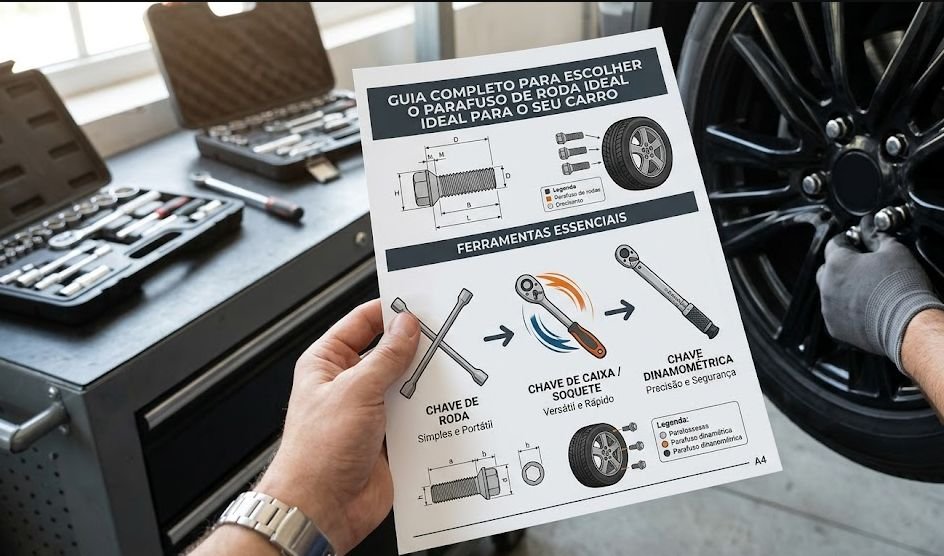
You can look at diagrams that show the difference between a wrench, a socket, and a torque wrench. These pictures help you pick the right tool for your job.
Accessibility
You should think about how easy it is to reach and install your fastener. Some projects have tight spaces or hard-to-reach spots. Hex screws work well when you can only reach one side of the material. You can drive them in from the front with a drill or wrench. This makes them perfect for roofing, cladding, or attaching panels.
Hex bolts need access to both sides of the material. You must hold the bolt on one side and the nut on the other. This can be hard if you work in a narrow space or inside a frame. If you cannot reach both sides, a hex screw is a better choice.
You should also think about the tools you can use in the space. A power drill might not fit in a small corner. In that case, a hand wrench or ratchet works better. Always plan your installation before you start. Check if you have enough room for your tools and hands.
Note: If you work in a tight spot, choose a fastener and tool that fit the space. This saves time and prevents mistakes.
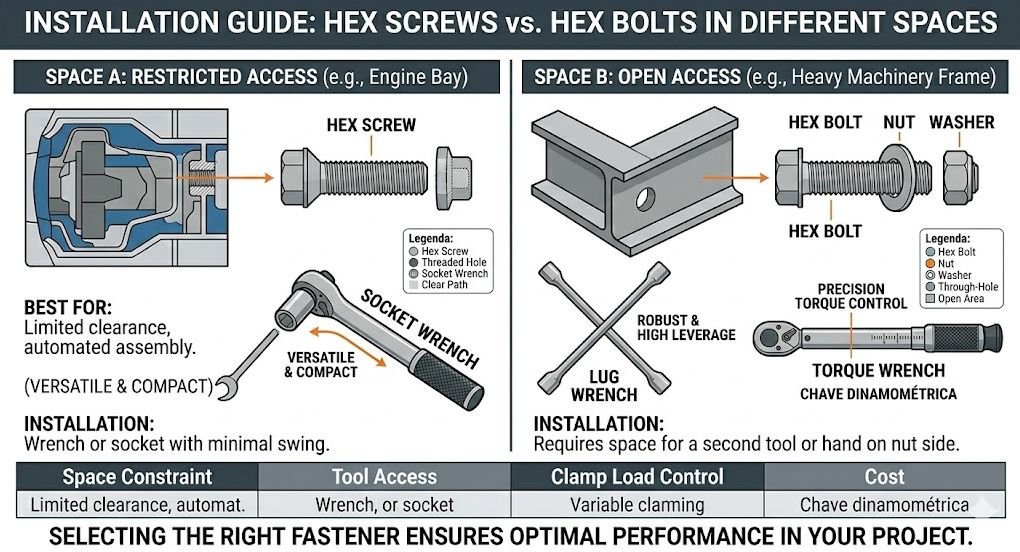
Illustrations can show you how hex screws and hex bolts fit in different spaces. These pictures help you see which fastener is easier to use for your project.
Common Mistakes
Misidentification
It is easy to mix up hex screws and hex bolts. They look almost the same at first. This mistake can cause problems for your project. Hex screws have threads all the way down the shaft. They do not need a nut to hold things together. Hex bolts usually have threads on only part of the shaft. They need a nut to join two pieces. If you pick the wrong fastener, your connection might be weak. You could also waste time fixing mistakes. Always check the head shape, the threading, and how you install it before starting. Diagrams can help you see the differences fast. When you choose the right fastener, you avoid errors and keep your project safe.
Improper Use
Using hex screws or hex bolts the wrong way can cause big problems. You might use too much force or not enough. You could also use the fastener in the wrong material. This can make things unsafe or break your equipment. It can even cause buildings to be weak. The table below shows what can go wrong if you do not use fasteners the right way:
You should always follow the rules for torque and installation. These rules are in standards like ISO 898-1. If you use a self-drilling hex screw, like the High Quality Hexagon Drill Tail Screw, make sure you drive it straight. Use the right tool for the job. If you tighten too much or too little, the connection will not be strong. Always read the instructions from the maker and use a torque wrench if needed. This helps you avoid mistakes and keeps your project strong.
Tip: Pick the right fastener for the job and follow the steps for installation. This keeps your work safe and stops failures.
Compatibility Issues
Picking the wrong fastener for your material is a common mistake. You might choose a hex screw or hex bolt that is not strong enough. Or it might not stop rust in your project. This can make your project fail or cost a lot to fix. The tables below show some mistakes people make:
You should check the material grade, the weather, and how much weight the fastener must hold. If you use the wrong fastener, the joint can be weak and repairs can be expensive. Experts say to check pull-out values and match the fastener grade to your project. Pictures can show how different fasteners work with different materials. This helps you pick the right one.
Note: Picking the right fastener stops problems and helps your project last longer.
Over-Tightening
Some people think making a hex screw or hex bolt as tight as possible is best. But tightening too much can cause big problems. If you use too much force, the fastener can stretch or even break. This makes the connection weak and can cause it to fail. You might also hurt the material, especially if you use power tools.
Over-tightening happens a lot in building and home projects. You want things to stay safe, but you need to do it right. Here are some problems you can have if you tighten too much:
If you use too much torque, the fastener can stretch or break. This makes it weaker.
If you do not use enough torque, the joint can be loose. Parts might move or fall off.
Using the wrong oil or grease changes how much force you need. This makes it hard to know how tight it is.
If you use old bolts that have stretched, they will not hold as well as new ones.
Mixing different grades or materials in one spot can make weak points.
If you put the fastener in at the wrong angle, it gets extra stress and can break.
You can stop these problems by following good steps. Experts say to use a torque wrench that is set correctly. This tool helps you use just the right amount of force. Check your torque wrench often to make sure it works well. Always follow the torque rules from the maker or from standards like ISO 898-1. These rules tell you how much force to use for each fastener.
Only put oil or grease on threads if the instructions say to. Sometimes, you need to keep them dry. Use new bolts for important jobs, like in buildings. When you have many bolts, tighten them in steps. This keeps the load even and stops damage. Mark each bolt after you tighten it. This helps you see if any bolt moves later.
It is important to learn the right way to tighten fasteners. If you work with others, show them how to use tools and follow the rules. You can look at diagrams to see the best way to tighten hex screws and bolts. These pictures help you learn and not make mistakes.
Tip: Always use a torque wrench and follow the settings you are told to use. This keeps your project safe and strong.
If you do not over-tighten, your fasteners last longer and your project stays safe. You protect the materials and the people who use your work. Remember, tight enough is strong enough.
Quick Reference
When to Use Hex Screws
Pick hex screws when you need to work fast. You only need to reach one side of the material. Hex screws are good for wood, thin metal, and plastic. You can put them in quickly with a wrench or socket. The hex head gives you a strong grip. It helps stop slipping when you turn the screw. Self-drilling hex screws, like the Hexagon Drill Tail Screw, save time. You do not need to drill a hole first. These screws are great for roofing, cladding, and putting on panels. You can also use them for furniture, cabinets, and mounting hardware. Hex screws fit in small spaces and help you finish jobs faster. Diagrams can show you how to use hex screws in real projects.
Tip: Use hex screws when you want to work fast and only reach one side. Flange or washer parts help spread out the force and make it easier to install.
When to Use Hex Bolts
Hex bolts are best for tough jobs that need a lot of strength. You must reach both sides of the material to use them. Hex bolts work with nuts to hold things together tight. You see hex bolts in steel buildings, bridges, big machines, and cars. Engineers say to use strong grades like 8.8, 10.9, or 12.9 for these jobs. Hex bolts let you control how tight they are. This keeps things safe and working well. You can use wrenches and sockets to put them in. The table below shows where to use hex bolts:
Note: Hex bolts are great for building because they are strong and easy to adjust. Flange or washer parts help spread out the load and make work easier.
Checklist
Use this checklist to help you pick the right fastener and not make mistakes:
Check if you can reach both sides of the material.
Think about if you need speed or more strength.
Match the fastener grade to the weight and material.
Use tools like sockets and wrenches to install them.
Look for flange or washer parts to spread out the force.
Follow torque rules from standards like ISO 898-1 or ASTM F3125.
Sort your fasteners by what they do to work faster and make fewer mistakes.
Use diagrams to check you have the right fastener for your job.
Sorting your hardware by what it does helps you pick the right one. This cuts down on mistakes and helps you finish your project faster. It also makes it easier to keep track of your tools and parts.
Tip: Always check your list before you start. This helps you avoid mistakes and makes sure your fasteners are safe and work well.
You now know the key differences between hex screws and hex bolts. Use these points to help you decide:
Hex screws work best for quick jobs where you only reach one side.
Hex bolts give you more strength for heavy-duty tasks and need a nut.
Always match the fastener to your material and load needs.
Use the quick reference checklist for every project. You can choose the right fastener with confidence!
FAQ
What is the main difference between a hex screw and a hex bolt?
A hex screw goes straight into the material and holds by itself. A hex bolt needs a nut to join two things together. The biggest difference is how you put them in and use them.
When should I use a self-drilling hex screw?
Pick a self-drilling hex screw if you want to work fast without making a hole first. It drills, makes threads, and locks in one go. This is great for metal roofs, cladding, or putting on panels quickly.
Can I use a hex screw with a nut?
Most of the time, you should not use a nut with a hex screw. Hex screws are made to hold by themselves. Use a hex bolt and nut when you need to join thick or heavy things and might take them apart later.
What materials are best for hex bolts?
Hex bolts are good for steel, stainless steel, and other metals. Pick the type based on where you use it. Stainless steel does not rust easily. Carbon steel is very strong.
How do I choose the right size of a hex bolt?
Choose the bolt size by looking at how thick your material is and how much weight it needs to hold. Check rules like ISO 4014 or ASTM F3125 to help you pick the right size and strength.
Why is torque important when installing fasteners?
Using the right amount of torque keeps the fastener tight but not broken. If you make it too tight, it can snap. If it is too loose, it might fall out.
What tools do I need for installing hex screws and hex bolts?
Use a wrench or socket that fits the hex head well. For self-drilling screws, a power drill or impact driver helps you work faster. Always check the maker’s torque advice.
How do I prevent over-tightening?
Use a torque wrench set to the right level. Tighten the fastener slowly and in steps. This helps your fastener last longer and keeps things safe.
Get Quote
Welcome To Know Our Products
Get Product and Service Information
Follow us
We provide OEM service and focus on stable quality, competitive pricing and responsive export support.


Contact Info
Add:Dongmingyang Industrial Park, Mingguan Town, Yongnian District, Handan City, Hebei Province China
Export salesman:
WhatsApp:+86 18830064300
E-mail: sales@hgtfix.com
Export salesman:
WhatsApp
+86 18830064300
E-mail:
Copyright © 2022 HEBEI YONGYI FASTENERS MANUFACTURING CO.,LTD Power by 300.cn | SEO