Welcome to Yongyi Fasteners, Your Reliable Fastener Supply Partner!

-
ProductsWe supply flat washers, spring washers, drop-in anchors, anchor bolts, hex nuts, hex bolts, sleeve anchors, threaded rods and OEM fastener products to DIN, BS, ANSI and MS standards.

-
About usHEBEI YONGYI FASTENERS MANUFACTURING CO.,LTD is located in China's largest fasteners production base Yongnian fasteners centre.
-
NewsHebei Yongyi Fasteners shares company updates, product knowledge and fastener industry news for global buyers.
-
ServiceThe products sold throughout the domestic and exported to Southeast Asia and Europe and other countries and regions. Our products win good reputation with domestic and foreign customers.



YONGYI FASTENERS
Support stable quality from material selection, processing and inspection to final delivery.
FOCUS ON HOT SPOTS


Wheel Nuts Comparison: Cars Versus Trucks
Published:
2026-05-15
Author:
YONGYI FASTENERS
Wheel nuts for cars and trucks differ in size, seat type, and strength. Find out which wheel nuts fit your vehicle and ensure safe, secure installation.
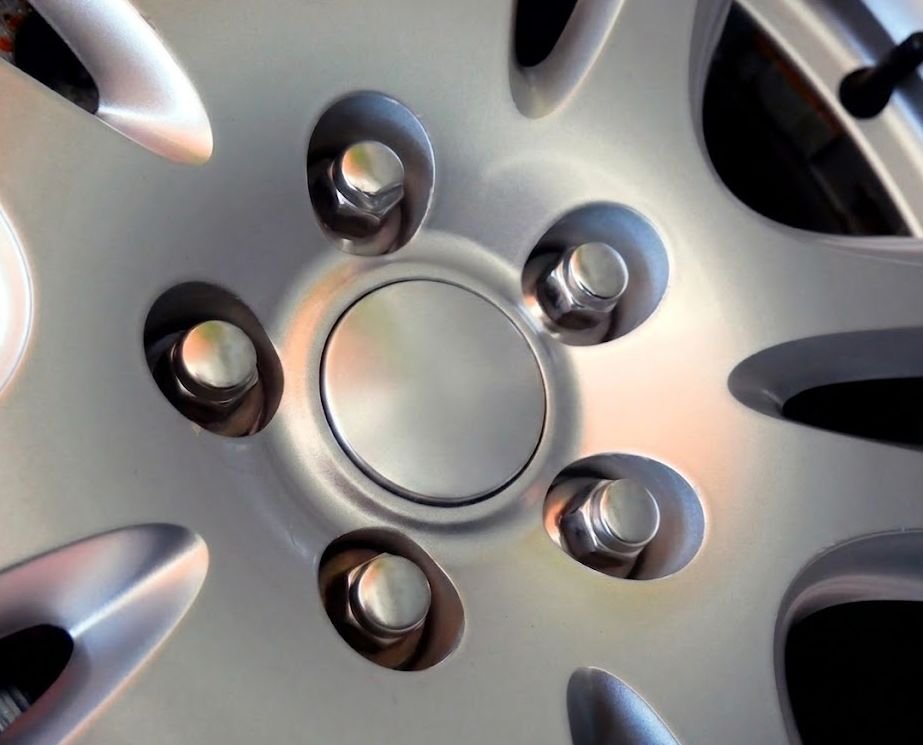
When you pick wheel nuts for your car or truck, there are big differences. Cars and trucks use cone seat, bulge cone seat, under hub cap, or spline drive types. The seat type is important. Conical seats fit most U.S. and Japanese cars. Ball seats are common on many European cars. Even if the bolt pattern matches, the wrong seat type can be unsafe. It can make the nuts clamp unevenly and might loosen them. This can make driving dangerous.
You should also check the thread pitch and diameter. Trucks usually need bigger and stronger nuts. If you want to use aftermarket wheels, check if they fit before you put them on. This keeps you safe and makes sure the wheels fit right.
Wheel Nuts Types Overview
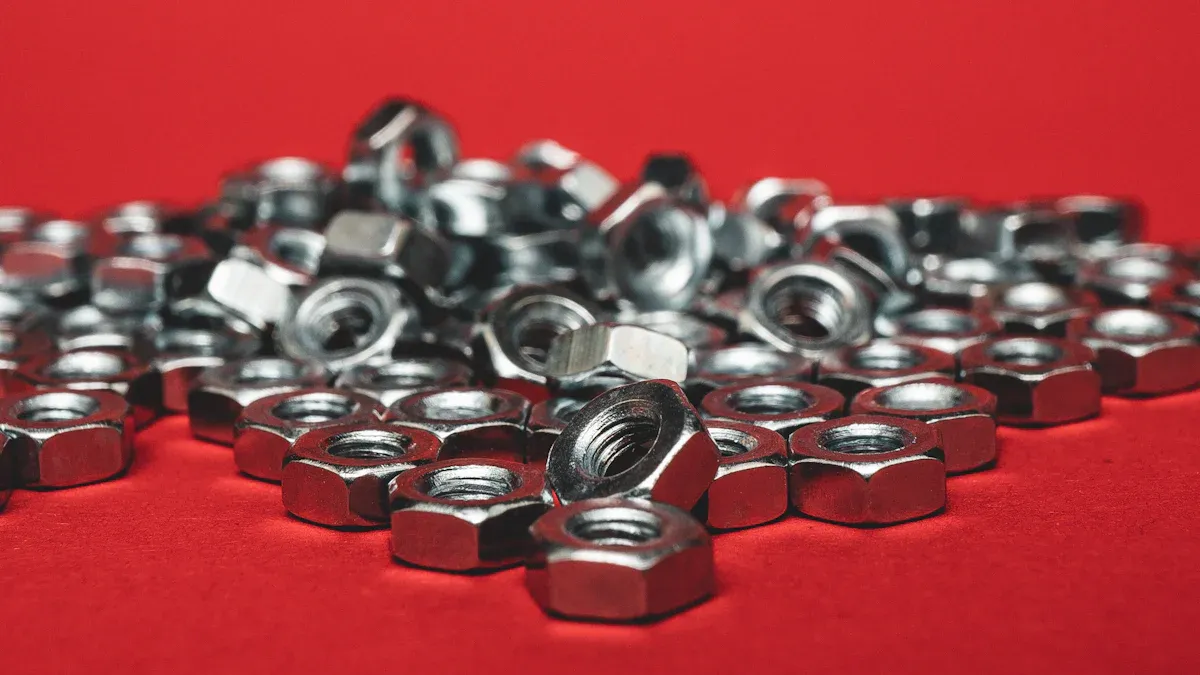
Car Wheel Nuts
Acorn
You will see acorn lugs on many cars. These lugs have a tapered end that looks like an acorn. The shape helps center the wheel and keeps it tight. Acorn lugs work well with steel and alloy wheels. You should check the seat type before you install them. Acorn lugs are one of the most common lug nut types for cars.
Mag Wheel Lug Nuts
Mag wheel lug nuts are special lugs made for mag wheels. You will notice that mag lugs have a flat seat and a long shank. The shank fits into the wheel hole and gives extra support. Mag wheel lug nuts help prevent damage to the wheel. You need to use a washer with mag style lug nuts. This washer spreads the force and protects the mag wheel. Mag wheel lug nuts are popular for custom wheels and classic cars. If you use mag style lug nuts, always check the shank length. The wrong length can cause problems with fitment. Mag wheel lug nuts are not the same as standard lugs. You should never swap mag wheel lug nuts with other types unless the wheel calls for them. Mag style lug nuts give you a secure fit for mag wheels. You will find mag wheel lug nuts on many older cars and some aftermarket wheels. Mag lugs are easy to spot because of their unique design. Mag wheel lug nuts are a must for mag wheels.
Tuner
Tuner lugs are smaller and lighter than other types. You will find them on performance cars and some aftermarket wheels. Tuner lugs often need a special key for installation. This key helps prevent theft. Tuner lugs fit into tight spaces where regular lugs will not work. You should use tuner lugs only if your wheel requires them.
Truck Wheel Nuts
Flange
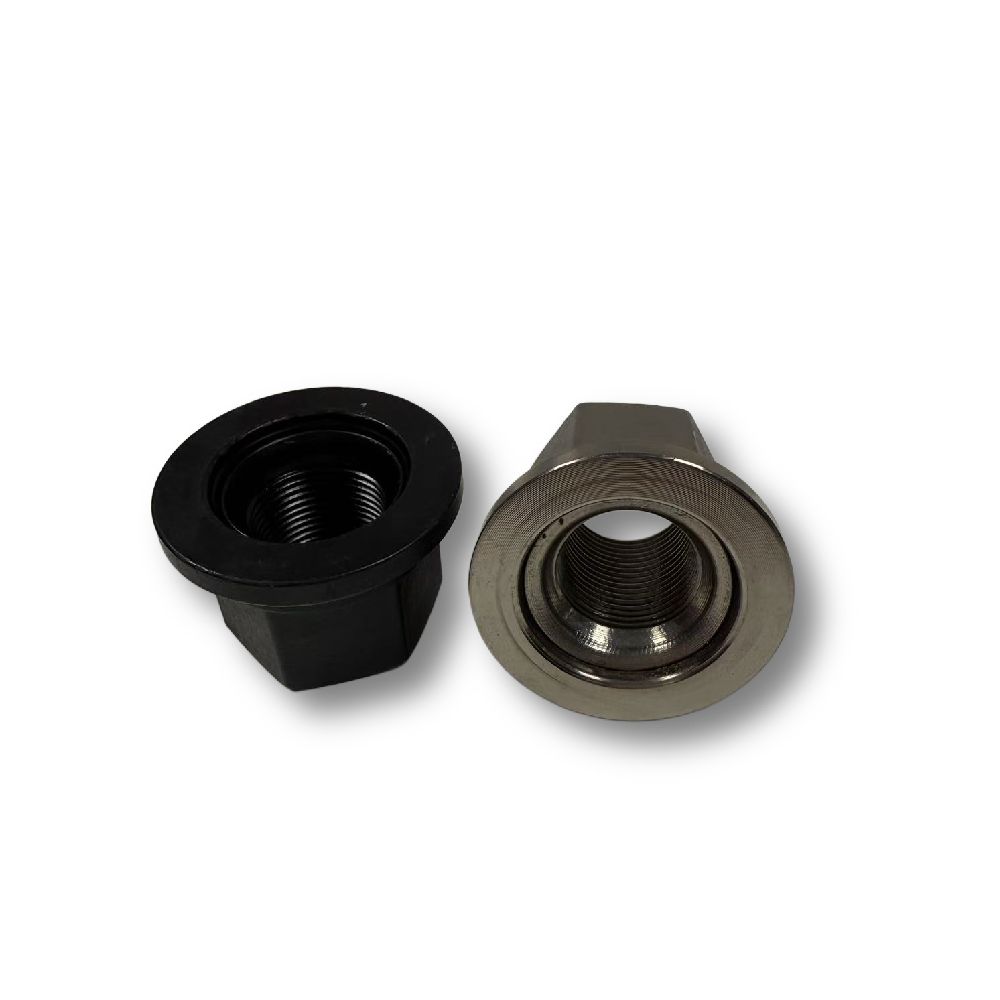
Flange lugs have a wide base. This base spreads the load over a larger area. You will see flange lugs on many trucks and heavy vehicles. The design helps keep the wheel secure under heavy loads.
Two-Piece
Two-piece lugs have a moving washer or collar. This part spins freely from the main body. Two-piece lugs help prevent damage to the wheel surface. You will find them on trucks that need extra protection for the wheel.
Spike
Spike lugs have a pointed end. Many truck owners use spike lugs for style. The spikes can also make it easier to remove dirt from the lug area. You should check local laws before using spike lugs, as some places do not allow them.
Open vs. Closed-Ended
You will see both open-end lug nuts and closed-end lug nuts on cars and trucks. Open-end lug nuts let you see the end of the stud. These lugs work well if you have long studs or need to check thread engagement. Closed-end lug nuts cover the stud completely. They protect the threads from dirt and moisture. You should choose the type that matches your wheel and stud length.
Tip: Always match the lug type to your wheel and vehicle needs. The right choice keeps your wheels safe and secure.
Type Comparison
You need to know how different wheel nut types compare before you choose the right one for your vehicle. Each type has a unique design and purpose. The wrong choice can lead to poor fitment, damage, or even unsafe driving.
You will see that mag wheel lug nuts stand out because of their flat seat and long shank. You must use mag wheel lug nuts with mag wheels. The shank fits deep into the wheel, giving extra support. If you use the wrong lug nut, you can damage the mag wheel or cause it to come loose.
Tip: Always check if your wheels need mag wheel lug nuts or mag style lug nuts. Mag wheels have special holes that require the shank of mag wheel lug nuts. Using acorn or tuner lugs on mag wheels can lead to unsafe fitment.
Mag style lug nuts look similar to mag wheel lug nuts, but you should not mix them up. Mag style lug nuts also have a flat seat and shank, but the length and washer size can vary. You need to match the shank length to your mag wheel. Too short, and the wheel will not seat properly. Too long, and the lug nut will bottom out before it clamps the wheel.
You will find mag wheel lug nuts mostly on older cars and custom wheels. Many aftermarket mag wheels require mag style lug nuts for a secure fit. You should always use the washer that comes with mag wheel lug nuts. This washer spreads the force and protects the mag wheel from cracks.
When you compare mag wheel lug nuts to other types, you see that mag wheel lug nuts offer more support for mag wheels. Acorn and tuner lugs do not provide this support. Flange and two-piece lugs are for trucks and do not fit mag wheels.
Note: You should never swap mag wheel lug nuts with other types unless your mag wheels allow it. Always check your wheel’s instructions.
You need to match the wheel nut type to your wheel design. This keeps your wheels safe and prevents damage. If you use mag wheels, always choose mag wheel lug nuts or mag style lug nuts with the correct shank and washer.
Materials & Construction
Car Wheel Nut Materials
Steel
You will find steel as the most common material for car wheel nuts. Steel offers a strong balance between cost and strength. It resists bending and cracking under normal driving conditions. Most mag wheel lug nuts for cars use steel because it holds up well to repeated tightening and removal. Steel also works well with mag wheels, giving you a secure fit.
Aluminum
Some mag wheel lug nuts use aluminum. Aluminum weighs less than steel, which can help reduce the weight of your wheels. You might choose aluminum mag wheel lug nuts if you want to save weight for better performance. However, aluminum does not match steel for strength. You should check your wheel’s requirements before using aluminum mag wheel lug nuts, especially if you drive on rough roads.
Chrome-Plated
Chrome-plated mag wheel lug nuts give you a shiny finish and extra protection against rust. The chrome layer helps prevent corrosion, especially in wet or salty conditions. Many mag style lug nuts for custom mag wheels use chrome plating for both looks and durability. You should inspect chrome-plated mag wheel lug nuts often, as the plating can chip if you use the wrong tools.
Truck Wheel Nut Materials
Hardened Steel
Truck wheel nuts need to handle much higher loads than car wheel nuts. Hardened steel gives you the strength needed for heavy-duty use. Most mag wheel lug nuts for trucks use hardened steel to prevent stretching or breaking under stress. This material works well for both daily driving and off-road conditions.
Zinc-Coated
You will see zinc-coated mag wheel lug nuts on many trucks. The zinc coating adds a layer of protection against rust and corrosion. This is important if you drive in wet or snowy areas. Zinc-coated mag wheel lug nuts last longer and keep your mag wheels looking good.
Specialty Alloys
Premium stainless steel is also common for truck wheel nuts. Stainless steel resists rust and keeps its strength over time. Specialty alloys can handle extreme temperatures and heavy loads. You should choose mag wheel lug nuts made from these materials if you need the best durability and performance. For more on material standards, you can check the National Highway Traffic Safety Administration’s guidelines.
Durability & Strength
You want your mag wheel lug nuts to last and keep your mag wheels safe. Material choice affects how long your wheel nuts last and how well they protect your wheels. Steel and hardened steel give you the best mix of strength and cost. Aluminum mag wheel lug nuts save weight but may wear out faster. Chrome-plated and zinc-coated mag wheel lug nuts resist rust, which is key for long-term use.
Below is a simple chart comparing material strength and durability for car and truck wheel nuts:
Tip: Always match your mag wheel lug nuts to your driving needs. If you drive in harsh conditions, choose closed-end lug nuts with corrosion-resistant coatings for extra protection.
You should check your mag wheel lug nuts often for signs of wear or rust. Replace them if you see damage. This keeps your mag wheels secure and your ride safe.
Size, Thread & Fitment
Car Wheel Nut Sizes
Metric vs. SAE
You will see two main systems for lug nut size on cars: metric and SAE. Metric sizes use millimeters, like M12 x 1.25. SAE sizes use inches, such as 1/2"-20. You must check your car’s manual or a fitment chart before you buy new lugs. Using the wrong system can cause poor fitment and damage the threads. Most modern cars use metric sizes, but some older vehicles still use SAE. Always match the lug nut size to your wheel type and vehicle.
Common Pitch
Thread pitch tells you how far the threads are spaced. For metric lugs, pitch is the distance between threads in millimeters. For SAE, it is the number of threads per inch. Common metric pitches for car lugs include 1.25mm and 1.5mm. SAE lugs often use 20 or 24 threads per inch. You need to match the pitch exactly for proper installation. If you use the wrong pitch, the lug will not seat right and can strip the stud. Always check the pitch before installation, especially with aftermarket wheels.
Truck Wheel Nut Sizes
Heavy-Duty Threads
Trucks need stronger lugs to handle more weight. You will find heavy-duty threads on most truck lugs. These threads are deeper and thicker than car lugs. Common truck sizes include M14 x 1.5 and 9/16"-18. Heavy-duty threads help prevent loosening under load. You must use the correct thread size for your truck to ensure proper installation and safety.
Larger Diameters
Truck lugs have larger diameters than car lugs. This gives more strength and helps spread the load. You will see diameters like 7/8" or 22mm on many trucks. Larger diameters also allow for longer studs, which are needed for thicker wheels or dual-wheel setups. Always check your truck’s fitment chart to find the right lug nut size.
Fitment & Compatibility
You need to focus on three main factors for fitment: seat type, thread pitch, and length. Each one affects how the lug holds the wheel.
Thread size tells you the diameter and pitch of the lug. For metric, you see sizes like M12 x 1.25. For SAE, you see 9/16"-18 UNF.
Seat type must match the wheel. Common types include conical, ball, and mag. Using the wrong seat type can cause uneven clamping and unsafe driving.
Length matters for proper installation. Too short, and the lug will not grip enough threads. Too long, and it may bottom out or stick out past the wheel.
You should always use a fitment chart or a bolt pattern measurement guide to check compatibility. The most common bolt patterns for cars are 5x114.3mm and 4x100mm. Trucks often use 8x165.1mm or 8x170mm. You can find bolt patterns listed by vehicle in many online resources or manuals. Always test fitment before final installation, especially with aftermarket wheels.
Tip: Always confirm compatibility with both OEM and aftermarket wheels. Use a fitment chart and test fitment before you finish installation.
You can avoid common mistakes by checking the bolt pattern, seat type, and lug nut size before you start. Never mix mag lugs with other types unless your wheel type allows it. Closed-end lug nuts work well for most cars and trucks, as they keep dirt out and protect the threads.
For more details on thread standards and fitment, you can review the SAE International J1965 standard.
Note: Proper installation of lugs is key for safety. Always torque lugs to the manufacturer’s specs and recheck after driving a short distance.
Confirm Compatibility
You need to confirm that your wheel nuts match your vehicle and wheels before installation. This step prevents unsafe driving and costly damage. You should start by checking the wheel nut specifications in your owner's manual or a trusted fitment chart. Look for details like seat type, thread pitch, and length. These factors determine if the wheel nut will clamp the wheel securely.
You can follow these steps to confirm fitment:
Identify Seat Type: Examine your wheel. Find out if it uses conical, ball, or mag seats. Match the wheel nut to this seat type. Using the wrong seat type can cause uneven clamping.
Check Thread Pitch and Size: Measure the diameter and pitch of your wheel studs. Compare these numbers to the wheel nut specifications. If the pitch does not match, the nut will not thread properly.
Verify Length: Make sure the wheel nut covers enough threads on the stud. Too short, and the nut will not hold the wheel. Too long, and it may bottom out or stick out past the wheel.
Test Fitment: Place the wheel nut on the stud and hand-tighten. The nut should thread smoothly and seat flush against the wheel. If you feel resistance or see gaps, stop and check the specifications again.
You should pay extra attention when using aftermarket wheels. Aftermarket wheels often require different wheel nuts for proper fitment. Always consult the wheel manufacturer’s guide or a fitment chart. If you switch between OEM and aftermarket wheels, check the seat type and shank length every time.
Tip: If you have doubts about fitment, ask a professional or use a digital caliper to measure the stud and wheel nut. This tool gives you accurate numbers for diameter and pitch.
Common mistakes include mixing seat types, ignoring thread pitch, and using the wrong length. These errors can lead to loose wheels, stripped threads, or cracked rims. You can avoid these problems by confirming compatibility before installation.
Here is a quick checklist for confirming fitment:
You should always torque the wheel nuts to the manufacturer’s specifications after confirming fitment. Recheck the torque after driving a short distance. This practice keeps your wheels safe and prevents loosening.
Note: Confirming compatibility is not just about matching numbers. You need to test fitment and inspect the wheel nut and wheel together. This step ensures safety and performance for both cars and trucks.
Performance & Safety
Car Performance Needs
Daily Driving
You want your car to feel safe and smooth every day. The right mag wheel nuts help you achieve this. When you use the correct mag nuts, you keep your wheels tight and secure. This prevents wobbling and reduces the risk of losing a wheel. You also protect your mag wheels from damage. For daily driving, you need mag nuts that match your wheel’s seat type and thread pitch. This ensures even clamping and keeps your ride stable.
High-Speed Use
If you drive at high speeds, you need to pay extra attention to performance and safety. Mag wheel nuts must handle strong forces from fast turns and quick stops. The right mag nuts keep your wheels centered and prevent vibration. You should always torque your mag nuts to the correct specs. This helps you avoid loose wheels and keeps your mag wheels in top shape. High-speed driving puts more stress on your mag nuts, so regular checks are important.
Truck Performance Needs
Load Capacity
Trucks face unique performance demands. You rely on your wheel nuts to handle heavy loads and tough conditions. Here are key requirements for truck mag nuts:
Load Capacity: Truck wheels support loads up to 150 tons. You need mag nuts that can handle this weight.
Durability: Mag nuts must resist stress from constant vibration and pressure, especially off-road or in commercial use.
Material Strength: High-strength steel or premium aluminum alloys give mag nuts the fatigue resistance needed for heavy loads.
Manufacturing Precision: Advanced processes create mag nuts without weak points, boosting reliability.
Surface Protection: Multi-layer coatings shield mag nuts from moisture, salt, and chemicals, extending their lifespan.
Off-Road/Commercial
When you take your truck off-road or use it for work, you need mag nuts that stand up to harsh environments. Dirt, rocks, and rough roads test the strength of your mag nuts. You want mag nuts with strong coatings and precise construction. This keeps your mag wheels attached and your truck safe, even in the toughest jobs.
Safety Risks
Choosing the wrong wheel nuts or installing them incorrectly can lead to serious safety problems. The table below shows common issues and what can happen if you ignore them:
Note: Always match your mag nuts to your wheel and vehicle. This simple step protects your safety and boosts performance. Regular checks and proper installation help you avoid costly mistakes and keep your mag wheels secure.
Maintenance & Replacement
Car Wheel Nut Care
Inspection
You need to check your car’s wheel nuts often. This helps keep your wheels safe. Look at the nuts to find cracks, rust, or damage early. The best time to check is when you get an oil change. Watch for any wear or loose nuts. Clean the wheel nuts every two weeks. This removes brake dust and dirt. Cleaning stops rust and keeps the nuts looking good. You can put on a wax or ceramic coating. This adds a layer that blocks water. Try not to hit potholes or curbs. Hitting them can bend or crack the wheel and nuts.
Torque Specs
You always need to use the right torque specs when you put on wheel nuts. If you use the wrong torque, the nuts can get loose or break the threads. Use a torque wrench that is set right. Tighten each nut to the number the car maker says. After you drive a little, check the torque again. This makes sure the nuts stay tight and your wheels do not fall off.
Truck Wheel Nut Care
Heavy-Duty Maintenance
Truck wheel nuts have to handle more weight and rough roads. You should clean and oil the wheel parts to help them work well. Check the nuts often to see if they are still tight. Only use tools that are set right for the job. This keeps your truck safe and working well.
Clean and oil the wheel parts.
Check wheel nuts and bolts often.
Use the right tools to set the torque.
Corrosion Prevention
Water and road salt can make truck wheel nuts rusty. Put on a coating to stop rust. Look for rust every time you check the nuts. Change any nuts that look rusty or worn out. This keeps your wheels safe and makes the nuts last longer.
Replacement & Compatibility
You need to get new wheel nuts if you see cracks, stripped threads, or rust. Always pick new nuts that match your seat type, thread pitch, and length. Do not mix different types when you put them on. Make sure the nuts fit both factory and aftermarket wheels before you use them. Try each nut by hand before you tighten it all the way. Use the right torque for every nut. Doing this keeps you safe and protects your wheels.
Tip: If you are not sure about fit or torque, ask a pro for help. Good installation and checks keep your wheels safe while you drive.
Cost & Availability
Car Wheel Nut Costs
Material/Finish
You will notice that the price of car lug nuts depends on the material and finish. Steel lugs cost less than chrome or anodized options. If you choose a mag nut with a special coating, you pay more for corrosion resistance. The finish also affects how well the lug stands up to weather. Chrome-plated lugs look good and last longer, but they cost more than plain steel. You should check if your bolt pattern needs a specific finish for better fit or protection.
Aftermarket Options
Aftermarket car lugs give you many choices. You can find lugs in different colors, shapes, and seat types. Some aftermarket mag nuts fit custom wheels with unique bolt patterns. Prices for aftermarket lugs range from budget packs to premium sets. If you use aftermarket wheels, you may need to buy a new set of lugs to match the bolt pattern and seat style. Always compare the cost of aftermarket lugs with the value they add to your setup.
Truck Wheel Nut Costs
Bulk Pricing
Truck lugs often come in larger packs. You save money when you buy in bulk, especially if you need to match a specific bolt pattern for dual wheels or heavy-duty setups. Bulk pricing helps fleets or commercial users keep costs down. You should check if the bulk pack includes the right mag nuts for your truck’s bolt pattern.
Heavy-Duty Options
Heavy-duty truck lugs cost more than standard car lugs. You pay for thicker threads, larger diameters, and stronger mag materials. Some heavy-duty lugs have extra coatings for rust protection. If you drive in tough conditions, you may need to invest in premium mag nuts. The right lug keeps your wheel secure, even with a demanding bolt pattern.
Sourcing Tips
You can find lugs at auto parts stores, online shops, or specialty wheel retailers. Always check the bolt pattern before you buy. If you use aftermarket wheels, confirm that the lugs fit both the mag seat and the bolt pattern. Ask for help if you are not sure about the right lug for your setup.
Checklist for buying lugs:
Match the bolt pattern to your wheel and vehicle.
Choose the correct mag seat type.
Confirm the lug fits your aftermarket or OEM wheel.
Compare prices for bulk and single packs.
Look for coatings if you need extra rust protection.
Tip: Never guess your bolt pattern or lug type. Use a fitment guide or ask a professional to avoid costly mistakes.
You save time and money when you check all details before buying. The right mag lug keeps your wheel safe and your ride smooth.
There are big differences between car and truck wheel nuts. These differences include type, fitment, and how they work with your wheels. You should always pick a nut that matches your wheel’s design. This is very important if you use aftermarket wheels. Making sure the nut fits right helps keep you safe. It stops shaking, brake problems, and broken parts. You need to check things like bolt pattern, seat type, and how much weight the nut can hold.
The right fit keeps your wheels tight and stops rubbing or too much weight on one part.
If you use aftermarket wheels, the wrong fit can be dangerous.
If you are not sure what to pick, ask an expert for help to stay safe.
FAQ
What is the difference between car and truck wheel nuts?
Car wheel nuts are smaller and lighter. Truck wheel nuts are larger and stronger. You need truck nuts for heavy loads and rough roads. Always match the nut to your vehicle type.
How do I know which seat type my wheels need?
Check your wheel’s mounting surface. Conical seats have a tapered edge. Ball seats are rounded. Mag seats are flat. You can find this information in your wheel manual.
Can I use aftermarket wheel nuts on factory wheels?
You can use aftermarket nuts if they match the seat type, thread pitch, and length. Test fit before final installation. If you feel resistance, stop and check compatibility.
Why is torque important for wheel nuts?
Proper torque keeps your wheels secure. If you use too little torque, nuts can loosen. Too much torque can damage threads. Use a torque wrench and follow your vehicle’s specifications.
How often should I inspect my wheel nuts?
Inspect your wheel nuts every oil change or after driving on rough roads. Look for cracks, rust, or loose nuts. Regular checks help prevent wheel failure.
What happens if I mix different wheel nut types?
Mixing types can cause uneven clamping and unsafe driving. Always use the same type for all wheels. If you switch wheels, check the nut requirements first.
Are open-end or closed-end wheel nuts better?
Open-end nuts work well with long studs. Closed-end nuts protect threads from dirt and moisture. Choose the type that fits your wheel and driving conditions.
Can I reuse wheel nuts after changing wheels?
You can reuse wheel nuts if they show no damage or wear. Check for stripped threads or rust. If you see any issues, replace the nuts for safety.
Get Quote
Welcome To Know Our Products
Get Product and Service Information
Follow us
We provide OEM service and focus on stable quality, competitive pricing and responsive export support.


Contact Info
Add:Dongmingyang Industrial Park, Mingguan Town, Yongnian District, Handan City, Hebei Province China
Export salesman:
WhatsApp:+86 18830064300
E-mail: sales@hgtfix.com
Export salesman:
WhatsApp
+86 18830064300
E-mail:
Copyright © 2022 HEBEI YONGYI FASTENERS MANUFACTURING CO.,LTD Power by 300.cn | SEO