Welcome to Yongyi Fasteners, Your Reliable Fastener Supply Partner!

-
ProductsWe supply flat washers, spring washers, drop-in anchors, anchor bolts, hex nuts, hex bolts, sleeve anchors, threaded rods and OEM fastener products to DIN, BS, ANSI and MS standards.

-
About usHEBEI YONGYI FASTENERS MANUFACTURING CO.,LTD is located in China's largest fasteners production base Yongnian fasteners centre.
-
NewsHebei Yongyi Fasteners shares company updates, product knowledge and fastener industry news for global buyers.
-
ServiceThe products sold throughout the domestic and exported to Southeast Asia and Europe and other countries and regions. Our products win good reputation with domestic and foreign customers.



YONGYI FASTENERS
Support stable quality from material selection, processing and inspection to final delivery.
FOCUS ON HOT SPOTS


Wheel Bolt Types And Finishes Made Simple
Published:
2026-06-10
Author:
YONGYI FASTENERS
Compare wheel bolt types and finishes for safety, fit, and style. Find the best wheel bolt for your vehicle’s needs and driving conditions.
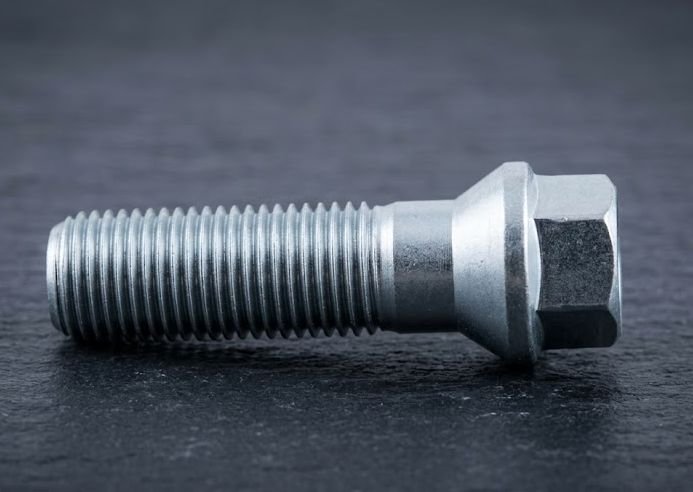
You can find different wheel bolt types on your wheels and rims. Each type matches a certain seat style and thread. The bolt pattern changes how the wheel connects to your car. Here is a simple chart of main wheel bolt types and finishes:
Picking the right wheel bolt keeps you safe. It makes sure the bolt fits right. It also helps your rims look better.
Key Takeaways
Pick the right wheel bolt type for safety and a good fit. Each type works with certain rim designs.
Learn about the four main wheel bolt types: conical, ball, flat, and spline drive. Each one has special benefits for different cars.
Always make sure the thread size and pitch of your wheel bolts match your car. Using the wrong size can make wheels loose and cause safety problems.
Use the right tools when you put in wheel bolts. A torque wrench is needed to tighten bolts the way the maker says.
Think about the weather when you pick bolt finishes. Stainless steel and zinc-plated bolts do not rust easily in wet weather.
Check the wheel bolt pattern before you buy new rims. If it does not match, it can cause bad shaking and a poor fit.
Look at your wheel bolts often to see if they are tight and in good shape. Doing this helps keep you safe and your car working well.
Ask an expert if you are not sure which wheel bolts to use. Getting help from a pro can stop mistakes and make sure bolts are put in right.
Wheel bolt types
Common types
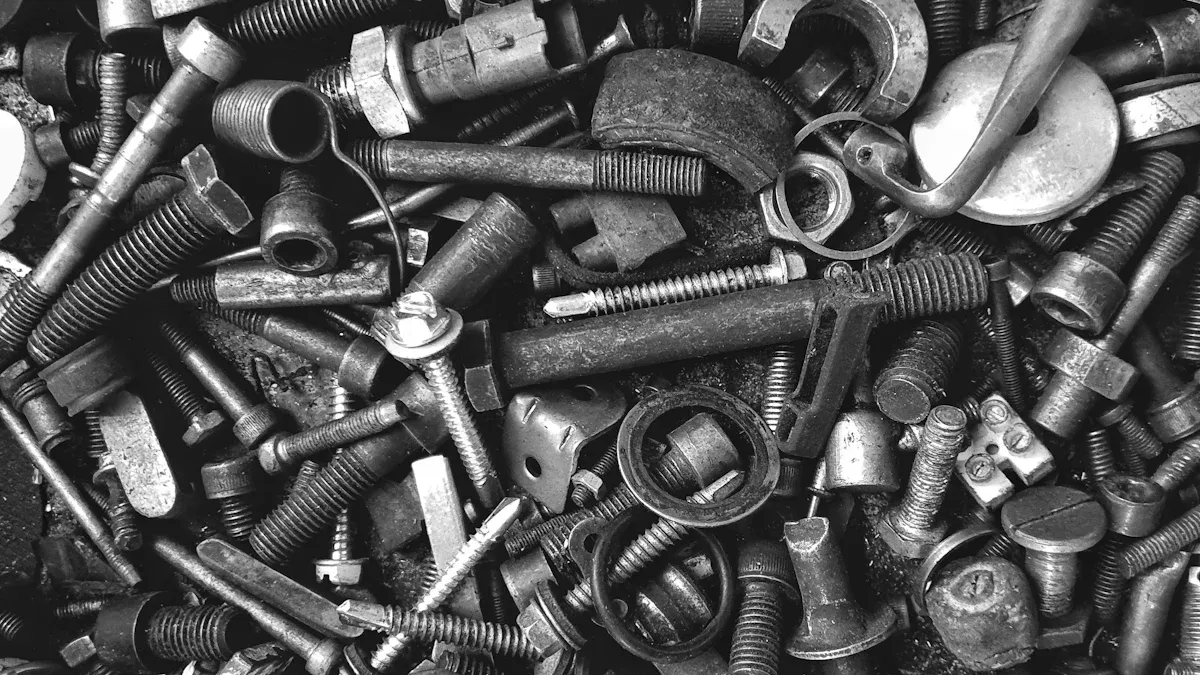
You will find several main types of wheel bolt seats. Each type matches a specific rim design and helps keep your wheel secure.
Conical seat
A conical seat has a tapered shape. You will see this type on many cars. The cone shape centers the bolt in the rim. This type works well for most aftermarket wheels. It helps prevent movement and keeps the wheel tight.
Ball seat
A ball seat uses a rounded base. You often find this type on European vehicles. The round shape fits into a matching groove in the rim. This type spreads pressure evenly and reduces the risk of damage.
Flat seat
A flat seat has a flat surface where it meets the rim. You see this type on some older cars and specialty vehicles. The flat seat gives a wide contact area. This type can help prevent the bolt from digging into the rim.
Spline drive
A spline drive uses grooves along the bolt head. You need a special tool to install or remove this type. Spline drive bolts offer extra security. This type also allows for a smaller head, which can look cleaner on your rims.
Tip: Always match the seat type of your wheel bolt to your rim. Using the wrong type can cause vibration or damage.
Thread size and pitch
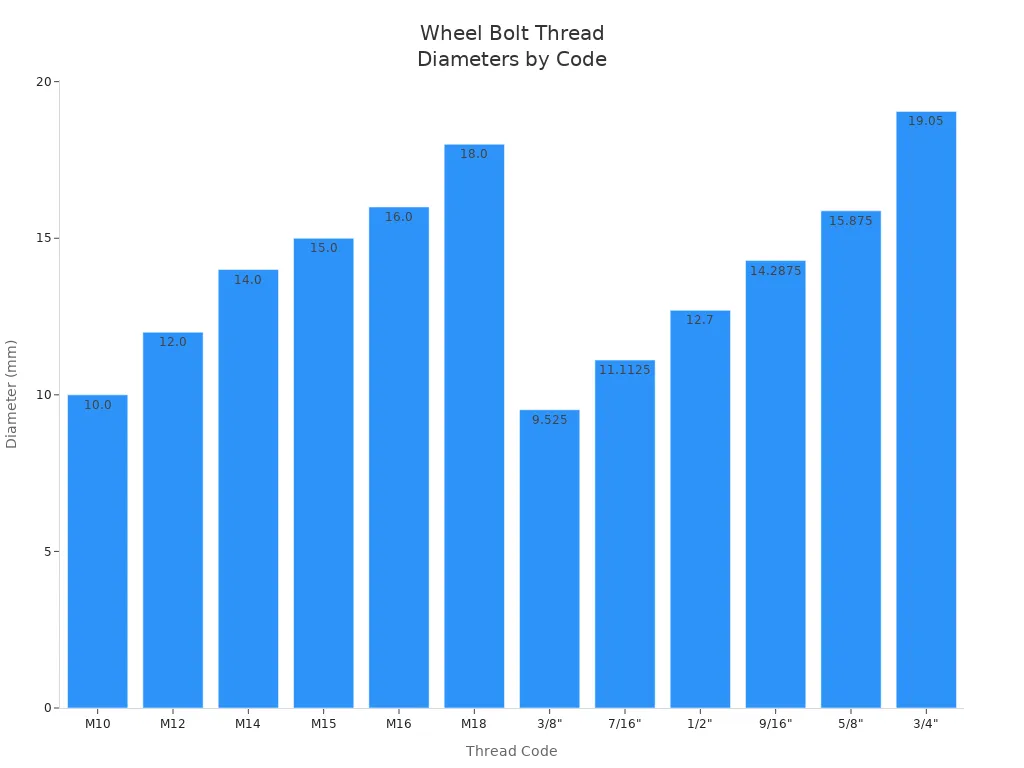
Thread size and pitch are critical for safety and fitment. The thread size is the diameter of the bolt. The pitch is the distance between threads. If you use the wrong size or pitch, the bolt will not fit right. This can lead to loose wheels or stripped threads. Proper fit keeps your wheel attached and your ride safe.
Here are some standard thread sizes and pitches you will see:
M12x1.25
This type has a 12 mm diameter and a 1.25 mm thread pitch. You often find this type on Japanese cars. The fine pitch gives a tight fit.
M12x1.5
This type also has a 12 mm diameter but a 1.5 mm pitch. Many European and Asian vehicles use this type. The slightly wider pitch makes installation easier.
M14x1.5
This type has a 14 mm diameter and a 1.5 mm pitch. Larger vehicles and some performance cars use this type. The bigger diameter gives extra strength.
Below is a table showing common thread codes and their diameters:
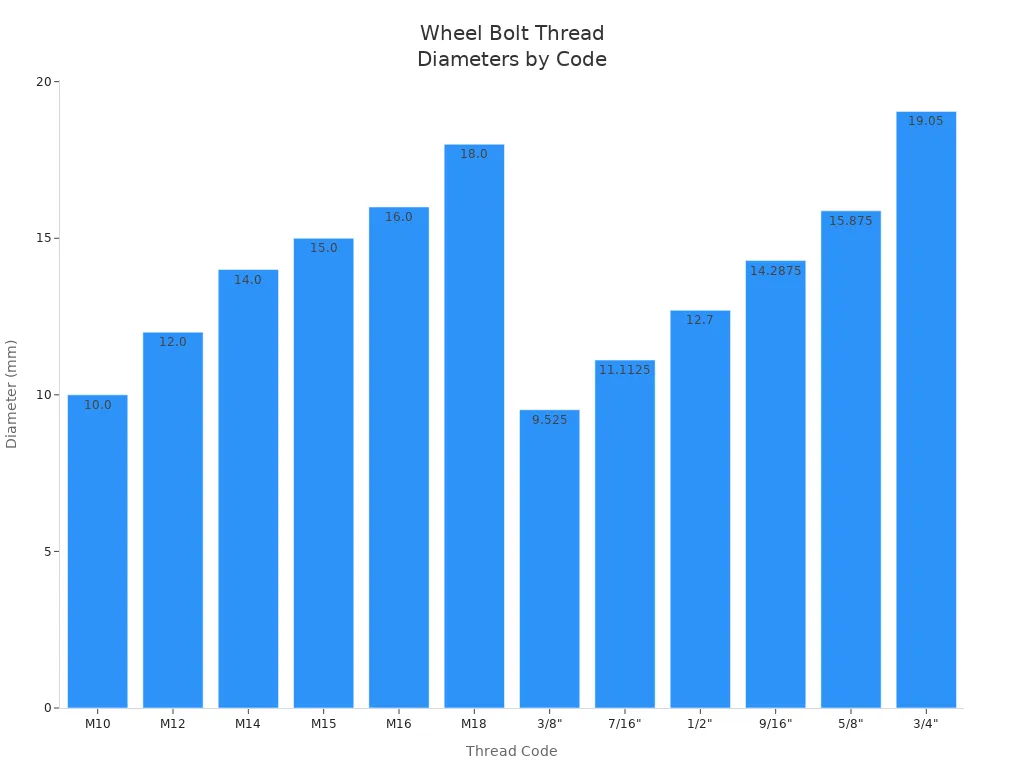
Note: The specifications of thread size and pitch are vital for ensuring that wheel bolts or types of lug nuts fit correctly. This proper fit is crucial for maintaining the integrity of wheel attachment, which directly influences the safety of the vehicle.
Hex size and tools
You need the right tools to install or remove each type of wheel bolt. The hex size is the width across the bolt head. Most cars use a 17 mm, 19 mm, or 21 mm hex size. Spline drive bolts need a special key. Using the correct tool prevents damage and helps you apply the right force.
Here is a table of common tools and their uses:
Always use a torque wrench to tighten wheel bolts or types of lug nuts to the manufacturer's specifications. This step helps prevent over-tightening or under-tightening.
If you want to learn more about the different types of wheel bolts and their uses, you can visit the Wikipedia page on Lug nuts.
Wheel bolt pros and cons
You should know the good and bad sides of each wheel bolt type before you pick one. Each style has its own pluses and minuses for safety, care, and how your car drives.
Pros
Conical seat bolts line up by themselves in the rim. This gives a tight fit and lowers the chance of shaking.
Ball seat bolts spread out the force. This keeps your rims safe and makes your ride smoother.
Flat seat bolts have a big area that touches the rim. This helps stop the bolt from cutting into the rim.
Spline drive bolts are safer. You need a special tool, so it is harder for someone to steal your wheels.
Cons
Conical seat bolts do not fit every wheel. If you use the wrong seat, you might hurt your rim.
Ball seat bolts need the right rim to work. You have to check if they match to avoid trouble.
Flat seat bolts are not easy to find. It can be hard to get new ones if you need them.
Spline drive bolts need a special tool. This can make fixing a flat tire on the road harder.
Tip: Always use the right bolt seat for your rim. The wrong type can make your ride rough, damage your rim, or make driving unsafe.
Comparing bolts and studs
There are two main ways to hold wheels: bolts or wheel studs with lug nuts. Each way changes how you put on, care for, and use your wheels.
Wheel studs are usually safer and work better. They are easier to put on and take care of, so you spend less if you change tires a lot. Bolts can cost more to fix because the threads wear out and lining them up is harder.
Summary
You need to think about the good and bad sides of each wheel bolt type. Think about your car, how you drive, and how much care you want to give. Picking the right one keeps your wheels safe and your rims in good shape.
Wheel bolt pattern and fitment
What is a wheel bolt pattern
You need to know the wheel bolt pattern before you choose new rims. The pattern shows how the bolts line up on the hub. This pattern decides how custom wheels attach to your vehicle. If you match the pattern, you get the right fit. You also keep your ride safe and smooth. The bolt pattern affects performance and handling. You must check the pattern for compatibility.
Here are some reasons why the wheel bolt pattern matters:
The pattern controls how the wheel connects to the hub.
Matching the pattern ensures the wheel fits your vehicle.
The pattern helps you achieve the best handling and performance.
You see many bolt patterns in cars, trucks, and SUVs. The bolt pattern conversion chart below shows common patterns and example vehicles.
You must use the bolt pattern conversion chart to check if your rims will fit your vehicle. If you pick the wrong pattern, the wheel will not attach properly.
How to measure a wheel bolt pattern
You can measure the bolt pattern with simple tools. The bolt pattern measurement helps you find the Pitch Circle Diameter (PCD). You must follow the right steps for accuracy.
Follow these steps for bolt pattern measurement:
For even-lug patterns (4, 6, 8), measure from the center of one lug hole to the center of the hole directly across from it. This gives you the PCD.
For five-lug patterns, place a ruler at the center of one lug hole. Measure to the far outer edge of the lug hole directly across from it, skipping one hole on each side. Multiply that measurement by about 1.05 for accuracy.
Tip: Always double-check your bolt pattern measurement. This step prevents mistakes and ensures the wheel fits your vehicle.
You can use the bolt pattern conversion chart to compare your results. If you follow these steps, you will know how to measure a wheel bolt pattern and avoid fitment issues.
Pitch Circle Diameter (PCD)
Pitch Circle Diameter (PCD) is the circle that passes through the center of each bolt hole. The PCD is a key part of the pattern. You must match the PCD to your vehicle for proper fitment.
The PCD influences compatibility in many ways. For example, 2013-2014 Subaru Legacy and Outback models use a 5×100 PCD. 2015 and newer models use a 5×114.3 PCD. These patterns are not interchangeable. You must check the bolt pattern conversion chart to avoid mistakes.
Here is a table showing how PCD affects compatibility:
If you match the PCD, you get the right fit. If you use the wrong PCD, the wheel will not attach. You must always check the pattern and PCD before you buy new rims.
Note: The pattern and PCD are critical for safety and performance. You must use the bolt pattern conversion chart to confirm compatibility.
Bolt pattern and vehicle compatibility
You need to match the wheel bolt pattern of your vehicle when you choose new wheels. This pattern decides if the wheel will fit on your car’s hub. If you use the wrong pattern, the wheel will not seat correctly. You risk safety and performance.
The wheel bolt pattern is not the only thing you must check. Other factors also affect compatibility. These include offset, hub bore, thread pitch, and load rating. If you ignore these, you can face problems like vibration at highway speeds, uneven tire wear, or even damage to steering parts. Heavier vehicles put more stress on these components, so the right fit becomes even more important.
If you install a wheel with the wrong bolt pattern, you may notice:
Dangerous vibrations while driving
Premature wear on wheel bearings and suspension parts
Improper fitment that causes rubbing against fenders or brakes
Risk of the wheel coming off because it cannot seat or torque properly
You should always check the wheel bolt pattern before you buy new rims. Make sure all other fitment details match your vehicle’s needs. This step keeps your ride safe and smooth.
Tip: Double-check the bolt pattern and all fitment specs before you install new wheels. This habit helps you avoid costly mistakes and keeps your vehicle safe.
Wheel bolt finishes
Common finishes
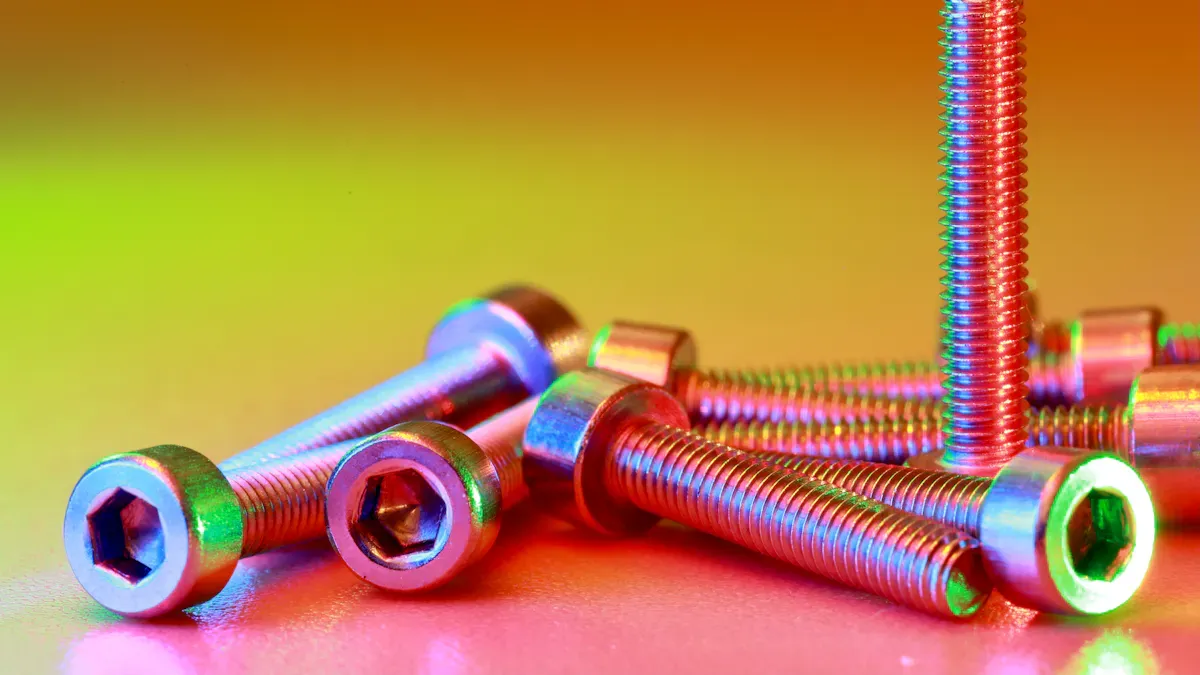
You can pick from many finishes for your wheel bolt. Each finish helps your bolt look good and stay safe. Here are the most common finishes:
Chrome
Chrome makes your bolt shiny like a mirror. You see chrome bolts on fancy cars and custom rims. This finish stops rust and gives your wheel a bright look.
Zinc-plated
Zinc-plated bolts look silver or gray. Zinc keeps the bolt safe from water and rust. Many factory wheels use zinc-plated bolts because they are strong and not expensive.
Black oxide
Black oxide gives the bolt a flat black color. This finish looks cool and modern. Black oxide protects from rust a little but works best where it is dry.
Colored
Colored finishes use paint or powder coating. You can match the bolt to your rims for a special look. These finishes add style but can chip or fade after some time.
Stainless steel
Stainless steel bolts shine with a natural silver color. Stainless steel stops rust and lasts in tough weather. You see this finish on cars that face salt, water, or bad weather.
Tip: Pick a finish that fits your weather and style. Stainless steel and zinc-plated bolts are strong and last long in tough places.
Finish comparison
You should compare finishes for how they look, fight rust, and last. The chart below shows the differences quickly.
Note: Car parts must be strong against rust and last long. Stainless steel and zinc-plated finishes work well in hard places.
You can learn more about wheel bolt finishes at SAE International’s corrosion resistance guidelines.
Finish pros and cons
You should think about the good and bad sides before you pick a finish for your wheel bolt.
Chrome
👍 Looks nice on custom rims.
👍 Stops rust.
👎 Can chip or peel if scratched.
Zinc-plated
👍 Keeps out water.
👍 Lasts in most places.
👎 May lose shine after a while.
Black oxide
👍 Looks modern.
👎 Not great in wet areas.
👎 Needs care often.
Colored
👍 Lets you match your wheel or rims.
👎 May fade or chip.
👎 Needs touch-ups.
Stainless steel
👍 Handles salt, water, and bad weather.
👍 Lasts longer than other finishes.
👎 Costs more.
Pick a finish that fits your weather, style, and how much care you want to give. Stainless steel is best for tough weather. Chrome and colored finishes are good for show cars. Zinc-plated bolts protect well for everyday driving.
Choosing the right wheel bolts
When you choose wheel bolts, you need to think about more than just size. The right choice keeps your wheels safe, fits your rims, and matches your driving needs. Here are the main factors you should consider.
Factors to consider
Vehicle type
Your vehicle type changes what you need from a wheel bolt. Cars, trucks, and SUVs all have different weight and stress levels. Heavier vehicles need stronger bolts. Sports cars need bolts that can handle high speeds and quick stops. Always check your vehicle’s requirements before you buy.
Climate and conditions
Where you drive affects your choice. If you live in a place with snow or rain, you need bolts that resist rust. Stainless steel and zinc-plated finishes work well in wet or salty areas. Dry climates let you use more finish options, like black oxide or colored bolts.
Style preferences
You can match your bolts to your rims for a custom look. Chrome and colored finishes stand out on show cars. Black oxide gives a modern style. Stainless steel looks clean and bright. Pick a finish that fits your taste and the look of your wheel.
Maintenance needs
Some finishes need more care. Chrome and colored bolts may chip or fade, so you need to check them often. Stainless steel and zinc-plated bolts need less work. Think about how much time you want to spend on upkeep.
You must pick the right wheel bolt type, pattern, and finish for your car. The table below shows the main differences:
Check these things before you buy wheels:
Make sure the seat type and bolt pattern are correct.
Look at the bolts to check their finish and condition.
Tighten bolts to the right level.
Ask an expert if you are not sure.
Safety and fit are most important. Getting help from a pro can make installation and alignment easier.
FAQ
What happens if you use the wrong wheel bolt seat type?
You risk damaging your rim and causing vibrations. The wheel may not stay tight. Always match the bolt seat to your rim for safety.
How do you check your wheel bolt thread size?
You measure the diameter and pitch with a thread gauge or check your vehicle manual. Using the wrong size can lead to loose wheels.
Can you mix different finishes on wheel bolts?
You can mix finishes, but it may look uneven. Some finishes resist rust better. Choose one finish for a clean look and consistent protection.
Why do some vehicles use wheel studs instead of bolts?
Wheel studs make tire changes easier. You line up the wheel and secure it with nuts. Studs also last longer and handle stress better.
How often should you check wheel bolt tightness?
You should check tightness after installing new wheels and every few months. Use a torque wrench to ensure proper force.
Are colored wheel bolts safe for daily driving?
Colored bolts are safe if made from quality materials. The finish may chip or fade. Check them often for signs of wear.
Do stainless steel bolts work in snowy climates?
Stainless steel bolts resist rust and salt. They work well in snowy or wet areas. You get long-lasting protection and less maintenance.
What tool do you need for spline drive bolts?
You need a special spline key. Regular wrenches will not fit. Keep the key in your car for emergencies.
Get Quote
Welcome To Know Our Products
Get Product and Service Information
Follow us
We provide OEM service and focus on stable quality, competitive pricing and responsive export support.


Contact Info
Add:Dongmingyang Industrial Park, Mingguan Town, Yongnian District, Handan City, Hebei Province China
Export salesman:
WhatsApp:+86 18830064300
E-mail: sales@hgtfix.com
Export salesman:
WhatsApp
+86 18830064300
E-mail:
Copyright © 2022 HEBEI YONGYI FASTENERS MANUFACTURING CO.,LTD Power by 300.cn | SEO