Welcome to Yongyi Fasteners, Your Reliable Fastener Supply Partner!

-
ProductsWe supply flat washers, spring washers, drop-in anchors, anchor bolts, hex nuts, hex bolts, sleeve anchors, threaded rods and OEM fastener products to DIN, BS, ANSI and MS standards.

-
About usHEBEI YONGYI FASTENERS MANUFACTURING CO.,LTD is located in China's largest fasteners production base Yongnian fasteners centre.
-
NewsHebei Yongyi Fasteners shares company updates, product knowledge and fastener industry news for global buyers.
-
ServiceThe products sold throughout the domestic and exported to Southeast Asia and Europe and other countries and regions. Our products win good reputation with domestic and foreign customers.



YONGYI FASTENERS
Support stable quality from material selection, processing and inspection to final delivery.
FOCUS ON HOT SPOTS


Essential Guide to Choosing the Right SS Hex Bolt for Your Project
Published:
2026-04-07
Author:
YONGYI FASTENERS
You keep your project safe by checking the grade, size, and how well the threads fit. Always make sure the bolt matches the material and the weight it will hold. Pick the right stainless steel grade if you use bolts outside or with chemicals to stop rust.
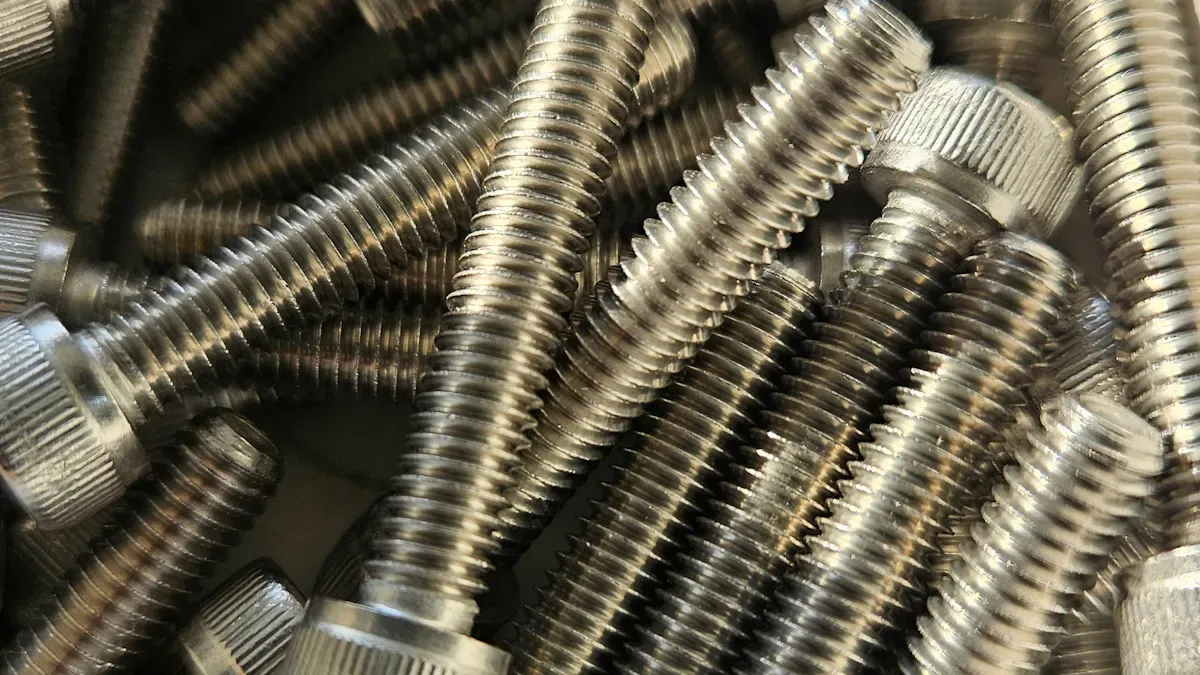
You pick the right SS hex bolt by matching its type, grade, size, and standards to what your project needs and where it is. Think about putting together big machines or building something strong. If you use the wrong SS hex bolt, things might break or rust. Engineers check a few main things:
Standards like DIN 6921 or ISO 4162 help spread the weight right
Material choices, like stainless steel, stop rust
Sizes such as M6 × 12 or M8 × 16 fit exactly
Common uses are in cars, machines, or farms
You can choose well by looking at these points and thinking about where you will use the bolt.
Key Takeaways
Pick the SS hex bolt type, grade, and size that fits your project. This helps keep your project safe and working well.
Stainless steel bolts stop rust and corrosion. They are best for outdoor or tough places.
Always look at industry standards like ASTM, ISO, and DIN. This makes sure your project is safe and follows rules.
Measure bolts before you buy them. Check the diameter, length, and thread pitch so they fit right.
Use the correct tools, like a torque wrench, to put in bolts. This stops you from tightening too much or hurting the threads.
Check SS hex bolts often for wear or damage. This keeps your project strong and safe.
Think about where you will use the bolts. Pick the right grade so the bolts can handle the conditions.
Plan your budget and check availability early in the project. This helps you avoid delays and get the best price.
SS Hex Bolt Basics
What Is an SS Hex Bolt
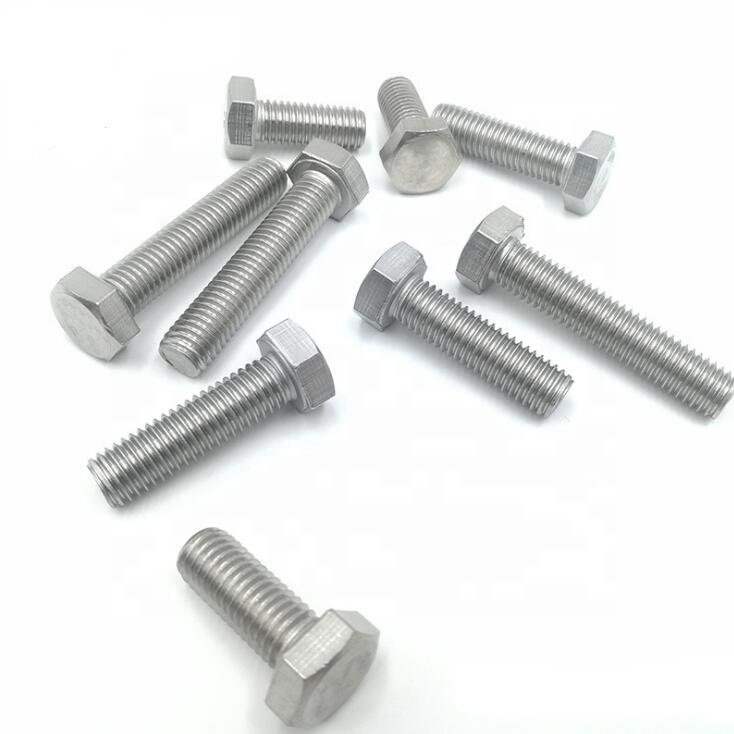
You use an SS hex bolt screw when you need a strong, reliable fastener. The "SS" stands for stainless steel. This material resists rust and corrosion. A hex bolt screw has a six-sided head. You can grip it easily with a wrench or socket. The threads run along the shaft and help hold materials together. You find hex bolt screws in many sizes and lengths. This variety lets you match the right hex bolt screw to your project.
A hex bolt screw works well in both indoor and outdoor settings. You can use it in wet or dry places. Stainless steel keeps the hex bolt screw strong, even when exposed to water or chemicals. You can trust a hex bolt screw to last a long time.
Key Features and Uses
A hex bolt screw stands out for its durability and versatility. You can choose from a wide variety of hex bolt screw types. Some have full threads, while others have partial threads. The head shape makes it easy to tighten or loosen the hex bolt screw with common tools.
Tip: Always check the grade and size of your hex bolt screw before starting your project. This ensures safety and proper fit.
You use a hex bolt screw when you need a secure connection. The hex bolt screw holds parts together in machines, buildings, and vehicles. You can find hex bolt screws in places where strength and safety matter most. The stainless steel material means the hex bolt screw will not rust or weaken easily.
Common Applications
You see hex bolt screws in many industries. Here are some common uses:
Construction: You use a hex bolt screw to join steel beams in buildings and bridges. The hex bolt screw handles both heavy and moving loads.
Mining equipment: The hex bolt screw endures harsh impacts and vibrations. It keeps machines safe and working.
Automobile manufacturing: You find the hex bolt screw in car frames and engines. It keeps vehicles safe on the road.
Construction machinery: The hex bolt screw supports heavy machines outdoors. It resists corrosion and impact.
Petroleum and chemical industry: The hex bolt screw works in high-pressure and corrosive environments. It prevents safety hazards.
Renewable energy: You use a hex bolt screw in wind and solar power equipment. It stands up to weather and stress.
Rail transit systems: The hex bolt screw handles vibrations and moving loads. It keeps trains and tracks secure.
Marine applications: The hex bolt screw resists rust on ships and offshore platforms.
Agricultural machinery: The hex bolt screw works in tough conditions with little upkeep.
You can learn more about fastener standards and technical details from ASTM International or ISO. These resources help you choose the right hex bolt screw for any application.
A hex bolt screw gives you strength, reliability, and a wide variety of choices. You can trust it for almost any project.
Types of Hex Bolt Screws
Hex Head vs. Socket Head
You pick between hex head and socket head bolts for your project. A hex head has six sides. It is easy to grip with a wrench. This type is good when you need to use a lot of force. It also works well if you have plenty of space. Socket head bolts have a hexagonal recess in the middle. You use an Allen key or hex key to turn them. These bolts fit into small spaces. They also look neat and smooth.
Here is a table that compares two socket head bolt types:
Hex head bolts are used in building and machines. Socket head bolts are best for tight spots or a smooth look. Always check how much weight the bolt must hold. Make sure you have enough space for the bolt.
Full Thread vs. Partial Thread
Hex bolt screws can have full threads or partial threads. Full thread bolts have lines all the way from tip to head. These bolts hold tight along their whole length. Use them for thin things or when you want a strong grip.
Partial thread bolts have a smooth part under the head. Only part of the shaft has threads. This helps line up parts better and makes the bolt stronger in some ways. You use these bolts in big jobs, like building frames, where the smooth part carries the weight.
Tip: Pick full thread bolts for thin plates or strong grip. Use partial thread bolts for big joints or to lower stress on the threads.
Specialty and Custom Options
Some jobs need special bolts. These are called specialty or custom bolts. You might need a bolt with a special coating or a very long one. Some bolts have different head shapes. Custom SS hex bolts are important in factories. Regular bolts may not work in tough places.
You can get bolts that are hard to take out, do not stick to magnets, or can handle heat. Some bolts are made for use in water or with chemicals. These special bolts help your project work better and last longer.
Black A2 Stainless Steel Socket Head Cap Screws
You may need black A2 stainless steel socket head cap screws for projects that demand both strength and a clean look. These screws combine the corrosion resistance of stainless steel with a black finish. The black coating comes from a special process. It adds extra protection and reduces glare. You get a screw that works well in harsh environments and looks professional.
You use black A2 stainless steel socket head cap screws when you want a low-profile head. The socket head design lets you tighten the screw with an Allen key. This helps in tight spaces or when you want a smooth surface. The black finish also hides marks and scratches. You often see these screws in electronics, furniture, and outdoor equipment.
Note: Black a2 stainless steel socket head cap screws resist rust better than regular steel screws. You can use them outside or in damp places.
Here are some reasons to choose black A2 stainless steel socket head cap screws:
You want a screw that will not rust or stain.
You need a fastener that blends in with dark surfaces.
You work in places where light reflection is a problem.
You want a screw that stays strong in wet or salty air.
A2 stainless steel means the screw contains chromium and nickel. This mix gives you good corrosion resistance. The black finish does not change the strength of the screw. It only adds a layer of protection and style.
You can find black a2 stainless steel socket head cap screws in many sizes. Common sizes include M3, M4, M5, and M6. You pick the size based on the thickness of your materials and the load you expect. Always check the length and thread type before you buy.
Tip: Always use the right tool for socket head screws. An Allen key or hex driver prevents damage to the screw head.
You can trust black A2 stainless steel socket head cap screws for both indoor and outdoor projects. They give you a strong hold and a neat finish. You get both function and style in one fastener.
Hex Bolt Screw Grades
Common Grades (A307, Grade 5, 304, 316)
You find many hex bolt screw grades in industrial and commercial projects. Each grade gives you different properties. The most common grades include A307, Grade 5, 304, and 316. You choose a grade based on strength, corrosion resistance, and cost.
Here is a table that compares popular stainless steel hex bolt screw grades:
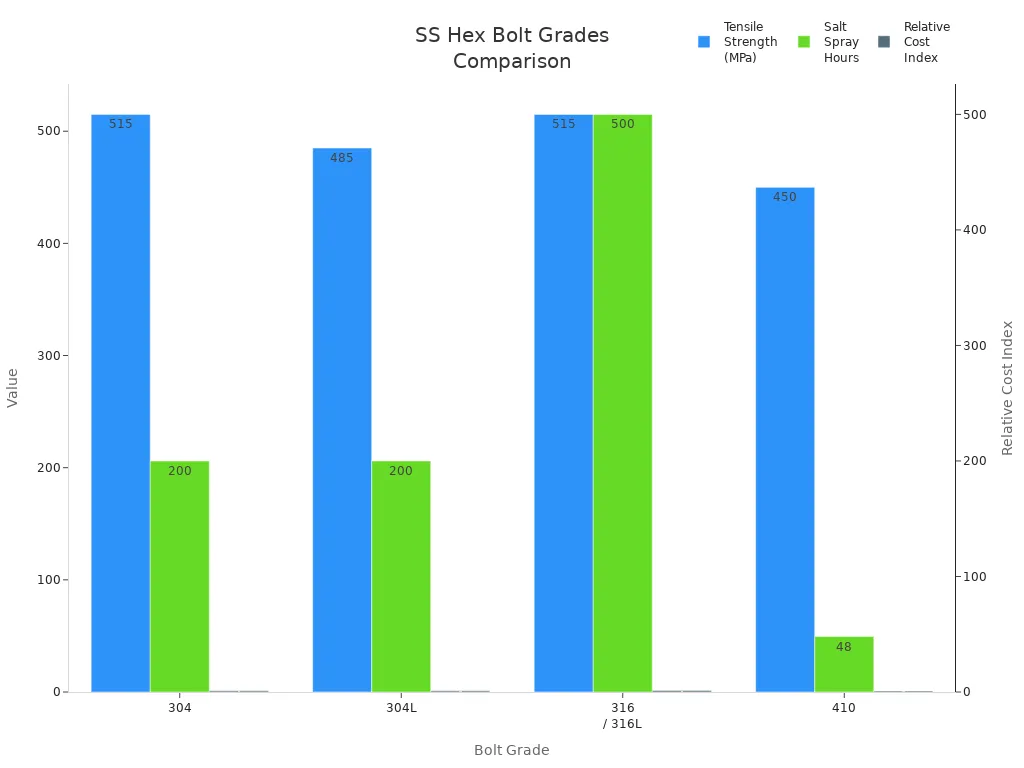
A307 and Grade 5 bolts are common in construction and machinery. 304 and 316 grades are popular for their corrosion resistance. You use 304 for most indoor jobs. You pick 316 for marine or chemical settings. Grade 5 bolts give you higher strength than A307. Each grade fits a different need.
Grade Selection by Application
You must match the grade to your project. The right grade keeps your bolt strong and safe. Use these tips to choose:
For indoor or dry places, pick 304 grade. It resists rust and costs less.
For welded assemblies, use 304L grade. It works well with welding.
For marine or chemical jobs, select 316 grade. It stands up to salt and chemicals.
For high-wear or hard surfaces, choose 410 grade. It gives you more hardness.
For general construction, A307 bolts work for light loads. Grade 5 bolts handle higher stress.
You also need to consider project location, industry rules, and supplier options. Here is a quick guide:
Tip: Always check if your project needs a specific grade for safety or code reasons.
Tensile Strength and Performance
Tensile strength tells you how much force a bolt can handle before breaking. Each grade has a different strength. Grade 5 bolts have higher tensile strength than A307. Stainless steel grades like 304 and 316 give you both strength and corrosion resistance.
304 and 316 grades offer tensile strength above 515 MPa.
410-grade bolts give you hardness but lower corrosion resistance.
Grade 5 bolts are stronger than A307 bolts. Use them for heavy loads.
You should always match the grade to the load and environment. If you use the wrong grade, your bolt may fail. The right grade keeps your project safe and long-lasting.
Note: Always check the hex bolt screw grades before you buy. The right grade gives you the best mix of strength, safety, and cost.
Sizing and Dimensions
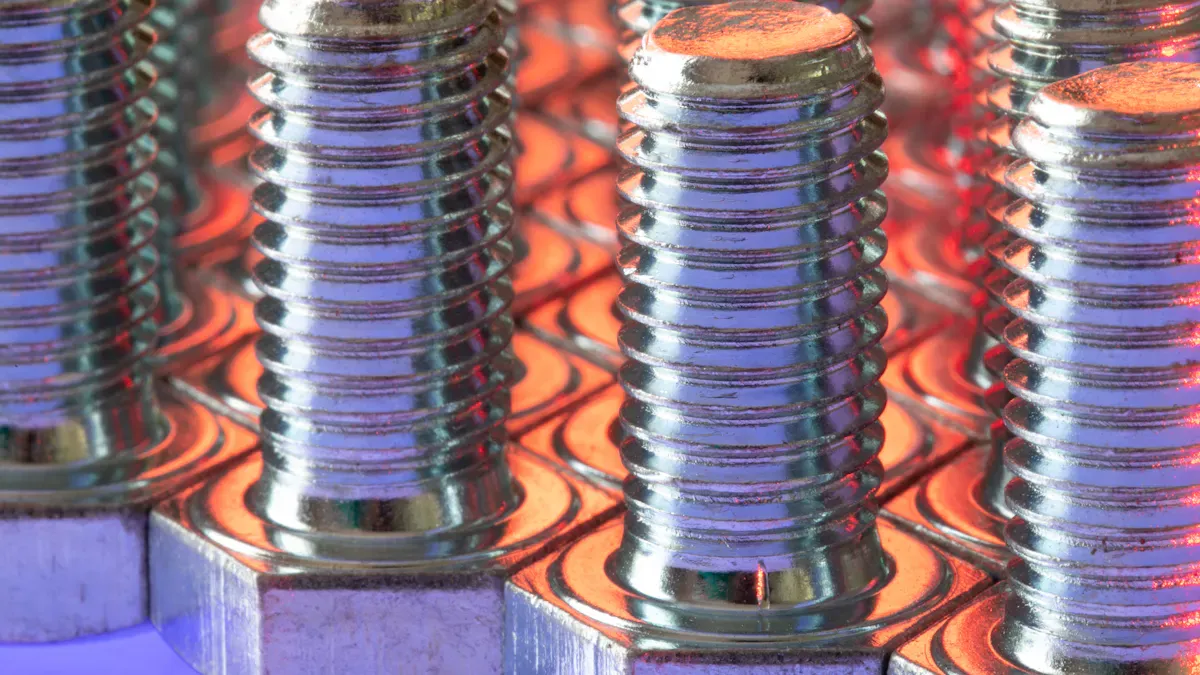
It is very important to pick the right size for your hex bolt screw. This keeps your project safe and helps it work well. You need to think about diameter, length, thread pitch, head size, and whether your tools will fit. Each part helps the bolt fit and work the right way.
Diameter and Length
The diameter tells you how strong the hex bolt screw is. It also shows how much weight it can hold. Metric diameters go from M1.6 up to M30. Imperial sizes start at #4 and go to 1-1/4 inch. The length can be as short as 6mm or as long as 300mm for metric bolts. For imperial bolts, lengths go from 1/2 inch to 12 inches. Picking the right diameter and length helps the bolt handle the job without breaking.
When you pick the length, think about how thick your materials are. The best hex bolt screw length matches the total thickness of your parts. You also add a little extra for threading and tightening. For example, if you join two pieces that are each 10mm thick, you might use a 30mm bolt. This gives enough thread for a tight hold.
The size of the bolt changes what hex bolt screw sizes you can use. Bigger bolts need stronger tools and more force to turn. Always check the diameter and length so they fit your project.
Thread Pitch and Fit
Thread pitch means the space between each thread on the bolt. Standard pitches are made for certain jobs and materials. Fine thread pitch gives a better grip and is good for careful work. Coarse threads are easier to put in and take out. They are good for quick fixes.
The fit between the bolt and nut or hole is very important. A good fit stops the bolt from coming loose. It also helps spread the load. When you pick a bolt, check the thread pitch so it matches the nut or hole. If you use the wrong pitch, you can damage the threads.
Head Size and Tool Compatibility
The head size of your hex bolt screw affects how easy it is to turn. Bigger heads give you more grip and spread out the force. But they need more space. Smaller heads fit in tight places but may need special tools.
Head sizes usually match the bolt’s diameter. For example, an M6 bolt often has a 10mm head. An M12 bolt might have a 19mm head. Always check the head size so your wrench or socket fits.
You must use the right tool for the job. Most hex bolt screws need a wrench or socket that fits the head. For small spaces, socket head bolts with Allen keys work well. They fit in tight spots and let you turn the bolt with good force.
Summary:
To pick the right size, match the diameter, length, thread pitch, and head size to your project. Always measure carefully and use the recommended hex bolt screw lengths. This helps your project stay strong and work well.
Measuring for Your Project
You must measure carefully to pick the right SS hex bolt. Get a ruler, caliper, or tape measure before you start. Always check your measurements two times so you do not make mistakes.
Here are the steps to help you measure for your project:
Check the Hole Diameter
Find out how wide the hole is where the bolt will go. Use a caliper to get the best result. Make sure the bolt fits the hole tightly.
Measure Material Thickness
Put all the materials together that you want to join. Measure how thick they are. This tells you the shortest bolt you need.
Add for Washers and Nuts
If you use washers or nuts, measure their thickness too. Add this to your total. This makes sure the bolt is long enough to hold everything.
Determine Thread Engagement
Make sure the bolt threads grab enough material. For steel, use at least one bolt diameter for thread grip. For softer materials, use more thread.
Select the Right Head Size
Look at the space around the bolt head. Make sure your tool can fit. If there is not much space, use a socket head or a smaller hex head.
Tip: If your measurement is between sizes, pick the next bigger standard bolt length.
Common Measurement Points:
Mistakes to avoid:
Guessing the bolt length or diameter
Not measuring washers or nuts
Forgetting about the thread grip
Not checking the tool space
Note: If you swap an old bolt, measure it for a quick check. Look for damage or wear before using the old measurement.
You can use these steps for any project. Careful measuring helps you avoid mistakes and keeps your build safe and strong.
Standards and Compliance
Choosing the right SS hex bolt means you must follow strict standards. Standards help you get bolts that fit, last, and stay safe. You avoid costly mistakes and keep your project strong. You find three main standards for SS hex bolts: ASTM, ISO, and DIN.
ASTM, ISO, DIN Standards
You see ASTM in the USA, ISO worldwide, and DIN mostly in Europe. Each standard sets rules for bolt size, strength, and material. You must check which standard your project needs. Here is a quick guide:
You can visit ASTM International or ISO for official details. Standards make sure your bolts match nuts, tools, and safety codes.
Tip: Always check the project specs before you buy bolts. Standards change by country and industry.
Local Project Requirements
You must follow local rules and codes. Some projects need bolts that meet city or state laws. You check building codes, safety rules, and industry guidelines. You ask your supplier for proof of compliance. You look for certificates or test reports.
Construction sites often require ASTM bolts.
European projects use DIN bolts.
International jobs may need ISO bolts.
You match the standard to your location and project type. You avoid delays and fines by using approved bolts.
Markings and Identification
You spot standard markings on bolt heads. Markings show grade, strength, and standard. You use these marks to check if the bolt meets your needs. Here is a table with common markings:
You find numbers or lines stamped on the bolt head. You match these marks to the project specs. You check the bolt before installation. You avoid using bolts with missing or unclear markings.
Note: Markings help you verify compliance quickly. Always inspect bolts for correct marks before use.
You keep your project safe and reliable by following standards and checking markings. You make smart choices and avoid costly errors.
Choosing the Right SS Hex Bolt
Material Compatibility
You need to make sure materials work well together before picking an SS hex bolt. This step keeps your project safe from breaking. When you use the right bolt with the right material, your connection stays strong.
Pick the right bolt and nut grades for your job. This makes sure the joint is strong enough.
Look at the material, lubrication, thread shape, how you tighten, and if you can reuse parts. This stops galling and torque scatter, which can make things weaker.
Make sure the material fits where it will be used. For example, exposure to steam or chloride deposits can cause stress corrosion cracking or weaken the bolts if you use the wrong grade.
Write clear orders when buying bolts. This helps you avoid mistakes and keeps fasteners strong.
If you use materials that do not match, you can have problems. These problems make your assembly weaker and can cause it to fail.
Corrosion can hurt stainless steel in tough places. Check bolts often and use the right grade to keep them strong.
Threads can get damaged if you put bolts in incorrectly. Cross-threading makes the connection weaker. Use the right tools and line up the bolts to protect the strength.
Bolts can loosen from shaking. This makes the joint less strong. Use lock washers or other ways to keep bolts tight.
Always match the bolt grade to the nut and the materials you join. This keeps the assembly strong enough. In places with heavy loads, check that every part can handle the strength needed. If you do not check compatibility, you can lose strength and safety.
Tip: Always look at threads and surfaces before putting bolts in. Clean parts help keep your connection strong.
Think about temperature, chemicals, and moisture too. These things can change how strong stainless steel is. Pick the right grade for the environment to keep bolts strong.
You can stop most problems by doing these things:
Check all materials to make sure they work together.
Use the right grade for where the bolt will be used.
Look at threads and surfaces.
Use the right tools and ways to tighten.
Write clear instructions for suppliers.
Your project stays safe and strong when you focus on material compatibility. This step makes sure your SS hex bolt connection stays strong for a long time.
Budget and Availability
You must think about both price and quality when picking SS hex bolts. The price changes if you pick different grades, sizes, or finishes. How easy it is to get bolts depends on local stores and your project schedule. You should plan early so you do not pay extra or wait longer.
Important things to remember:
Grade and Material: Higher grades cost more money. Standard 304 bolts are less expensive than 316 marine-grade bolts.
Size and Length: Bigger bolts use more metal. Longer bolts cost more and can be harder to find.
Finish and Specialty: Black or special finishes make bolts cost more. Special bolts may need to be ordered.
Quantity: Buying lots of bolts lowers the price for each one. Small orders cost more for each bolt.
Tip: Always check prices for different grades and sizes. See if you can use a standard bolt instead of a custom one.
Availability checklist:
Look in local stores for common sizes and grades.
Ask suppliers how long special bolts will take.
Make sure there is enough stock before big orders.
Plan for shipping if you need bolts from far away.
Sample cost comparison table:
You save money by picking bolts that fit your project without choosing too much. You avoid waiting by checking if bolts are available early. You keep your project moving by planning for both price and supply.
Note: If you have a small budget, use standard sizes and finishes. Only use custom bolts if you really need them.
You make good choices by thinking about price, quality, and supply. This helps your project stay strong and finish on time.
Installation Best Practices
Tools and Techniques
You need the right tools to install bolts safely. Use a torque wrench that is calibrated. This tool helps you tighten bolts correctly. It stops you from tightening too much. Pick sockets or wrenches that fit the hex head well. Do not use old tools because they can slip and hurt the bolt.
Get your workspace ready before you start. Put all bolts, nuts, and washers in order. Clean the threads on the bolt and in the hole. Dirt can cause problems when you install bolts. If you work in small spaces, use socket head bolts. An Allen key helps you reach tight spots.
Tip: Always check if your tool fits the bolt head before you begin. This keeps the corners from getting rounded.
Torque and Tightening
The right torque keeps bolts strong and safe. Follow the torque numbers from your project guide or chart. Too much torque can break the bolt. Too little torque can make the joint loose later.
Use a torque wrench to get the force right. Tighten bolts in a crisscross pattern for flanges or plates. This spreads the load and stops parts from bending. After you finish, check each bolt again for the correct torque.
Note: Always look at the manufacturer's torque numbers for your bolts.
Preventing Galling and Seizing
Stainless steel bolts can stick or lock up when you install them. Galling happens when threads grab and will not let go. You can stop this with a few easy steps:
Use a good anti-seize compound on bolt threads that are not structural. This stops cold welding and makes bolts easier to remove.
Use stainless steel thread inserts with anti-seize paste for stronger threads.
Use a calibrated torque wrench for all tightening. This keeps hardware safe and lowers the chance of seizing.
Go slow when you tighten stainless steel bolts. Do not hurry. If you feel the bolt getting stuck, stop and loosen it. Put on more anti-seize if you need to. Do not use power tools for final tightening because they can cause galling.
Callout: Always check threads before you install bolts. Clean and lubricated threads help stop galling and make installation smooth.
If you follow these best practices, you keep your bolts safe, save time, and make your SS hex bolts last longer.
Maintenance and Longevity
Inspection and Replacement
You should inspect your SS hex bolts regularly. Look for signs of rust, wear, or damage. Use a flashlight to check hard-to-see areas. If you see cracks or stripped threads, replace the bolt right away. Loose bolts can cause parts to shift or fail. Tighten any bolts that feel loose. Keep a checklist to track which bolts you have checked and replaced.
Tip: Set a schedule for inspections. Monthly checks work well for most projects. Increase frequency in harsh environments.
Cleaning and Corrosion Prevention
Clean your bolts to keep them strong and safe. Wipe off dirt and debris with a dry cloth. For tougher grime, use mild soap and water. Dry bolts completely after cleaning. Moisture can lead to rust, even on stainless steel. Apply a light oil or corrosion inhibitor if your project faces salt, chemicals, or moisture. This step adds extra protection.
Corrosion resistance considerations matter most in marine, chemical, or outdoor settings. Choose the right grade and finish for your environment. Regular cleaning and protection help your bolts last longer.
Storage Tips
Store your SS hex bolts in a dry, cool place. Use sealed containers or bags to keep out moisture. Label each container with the bolt size and grade. Keep bolts off the ground to avoid contact with water or chemicals. Organize bolts by type for easy access.
Use silica gel packs in storage bins to absorb moisture.
Avoid storing bolts near strong chemicals or salt.
Check stored bolts every few months for signs of rust or damage.
Note: Good storage keeps your bolts ready for use and extends their lifespan.
By following these steps, you protect your investment and ensure your SS hex bolts perform well for years.
Common Mistakes to Avoid
Picking and putting in SS hex bolts looks easy, but you can make mistakes that hurt your project’s strength and safety. You can stop these problems if you know what to look for and follow good steps.
Wrong Grade or Size
You need to pick the right grade and size for your SS hex bolt. If you use the wrong bolt, the joint can be weak or break early. Sometimes, this can even cause accidents. Many people forget to match the bolt to the weight it must hold or where it will be used. Here is a table that shows some common mistakes and what happens:
You keep your project safe by checking the grade, size, and how well the threads fit. Always make sure the bolt matches the material and the weight it will hold. Pick the right stainless steel grade if you use bolts outside or with chemicals to stop rust.
Tip: Measure two times and check the details before you buy or put in any SS hex bolt.
Ignoring Standards
You must use SS hex bolts that meet the right standards. If you skip standards, bolts might not fit, could break, or may not pass building rules. Standards like ASTM, ISO, and DIN tell you the right size, strength, and material for bolts. You keep things safe by looking for the right marks and papers.
Use bolts that have clear grade marks.
Make sure the bolts follow local rules.
Check bolts to see if they are good quality and fit right.
You save money and keep your project strong by following standards every time.
Improper Installation
Many bolts fail because they are not put in the right way. You need to follow each step to make sure the bolt holds tight and stays safe. Here are the main steps you should take:
Look at the bolt and threads to see if they are clean and not damaged.
Line up the parts you want to join.
Put the hex bolt in gently.
Turn the bolt by hand first so you do not mess up the threads.
Use the right wrench or socket for the bolt head.
Tighten the bolt to the right force with a torque wrench.
Check again to make sure the bolt is tight and the joint is steady.
You stop problems like bolts sticking, threads breaking, or bolts coming loose by doing these steps. This also keeps everyone safer when using what you build.
Note: Always use the right tools and follow the torque rules to stop mistakes when installing.
If you make mistakes with the grade, standards, or how you put in bolts, your project can get weak and unsafe. You keep your build strong and safe by paying close attention to these things.
You can choose the right SS hex bolt by following these steps:
Match the bolt type, grade, and size to your project needs.
Check standards and markings for safety.
Measure carefully and use proper installation tools.
Inspect bolts often for wear or damage.
For complex jobs, ask an expert or supplier for advice. Apply this guide to your next project and feel confident in your selection.
FAQ
What does "SS" mean in SS hex bolts?
"SS" stands for stainless steel. You get bolts that resist rust and corrosion. These bolts work well indoors and outdoors.
How do you choose the right hex bolt size?
Measure the hole diameter and material thickness. Pick a bolt that fits tightly and holds all parts together. Add extra length for washers and nuts.
Which grade should you use for marine projects?
Choose 316 stainless steel. This grade resists saltwater and harsh chemicals. You protect your bolts from rust and damage.
Can you use SS hex bolts with aluminum parts?
Yes, but you must prevent galvanic corrosion. Use a barrier like a washer or coating. Check compatibility before installation.
How do you prevent galling when installing SS hex bolts?
Apply anti-seize compound to threads. Tighten bolts slowly with a torque wrench. Avoid power tools for final tightening.
What tools do you need for SS hex bolt installation?
Use a wrench or socket that fits the bolt head. For socket head bolts, use an Allen key. Always check the tool size before starting.
How often should you inspect SS hex bolts?
Inspect bolts monthly. Look for rust, wear, or loose bolts. Increase checks in harsh environments.
What markings help you identify bolt grade?
Look for numbers or lines on the bolt head. These marks show grade and strength. Check markings before installation.
Get Quote
Welcome To Know Our Products
Get Product and Service Information
Follow us
We provide OEM service and focus on stable quality, competitive pricing and responsive export support.


Contact Info
Add:Dongmingyang Industrial Park, Mingguan Town, Yongnian District, Handan City, Hebei Province China
Export salesman:
WhatsApp:+86 18830064300
E-mail: sales@hgtfix.com
Export salesman:
WhatsApp
+86 18830064300
E-mail:
Copyright © 2022 HEBEI YONGYI FASTENERS MANUFACTURING CO.,LTD Power by 300.cn | SEO