Welcome to Yongyi Fasteners, Your Reliable Fastener Supply Partner!

-
ProductsWe supply flat washers, spring washers, drop-in anchors, anchor bolts, hex nuts, hex bolts, sleeve anchors, threaded rods and OEM fastener products to DIN, BS, ANSI and MS standards.

-
About usHEBEI YONGYI FASTENERS MANUFACTURING CO.,LTD is located in China's largest fasteners production base Yongnian fasteners centre.
-
NewsHebei Yongyi Fasteners shares company updates, product knowledge and fastener industry news for global buyers.
-
ServiceThe products sold throughout the domestic and exported to Southeast Asia and Europe and other countries and regions. Our products win good reputation with domestic and foreign customers.



YONGYI FASTENERS
Support stable quality from material selection, processing and inspection to final delivery.
FOCUS ON HOT SPOTS


How to Choose the Right Stainless Steel Screws for Wood, Metal, and More
Published:
2026-04-17
Author:
YONGYI FASTENERS
Choose stainless steel screws for wood, metal, and more by matching grade, thread, and size to your material for lasting, rust-free results.
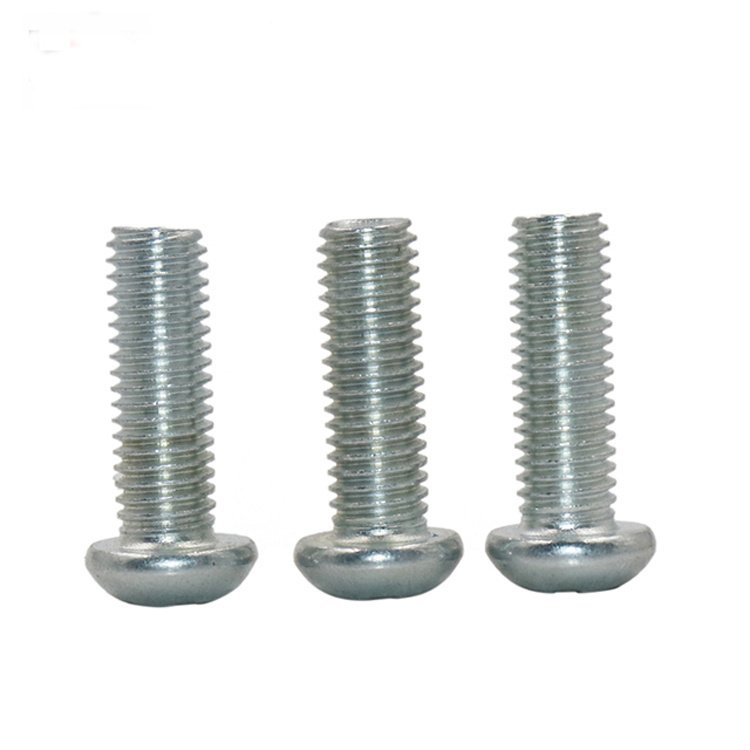
Selecting the right stainless steel screws is important for every project. You make your work safer and last longer when you pick the right screw for the material and place. Using the wrong screw can hurt your project, make it break early, or cause rust.
Putting in screws the right way makes things strong and stops expensive fixes. Good screws do not rust and stay strong for a long time.
Key Takeaways
Pick the right grade of stainless steel screws for your job. Use 304 screws for most projects. Use 316 screws if the area is tough or harsh.
Choose screws based on what material you are working with. Coarse threads are best for wood. Fine threads are better for metal.
Drill holes in hardwood before putting in screws. This stops the wood from splitting. It makes installation easier and smoother.
Use self-tapping screws when working with metal. These screws save time. They give a strong hold without needing a starter hole.
Make sure screw length fits your project. Screws should be long enough to hold things tight. They should not stick out the other side.
Think about the environment when picking screws. If it is humid or salty, use screws that resist rust.
Always measure how thick your material is before choosing screws. This helps you avoid screws that are too short or too long.
Follow good installation steps. Use the correct tools. Keep the right amount of force. Check your work to make sure it is safe.
Stainless Steel Screws Overview
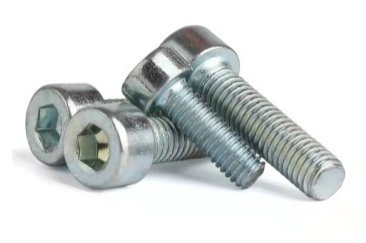
Stainless steel screws are important fasteners for many projects. People pick these screws when they need them to be strong and dependable. They are used in building, woodworking, metalwork, and factories.
Key Features
Corrosion Resistance
You want your fasteners to last a long time. This is very important in hard places to work. Stainless steel screws do not rust or corrode easily. This makes them great for outside or wet places. The reason is the chromium in the screws. Chromium makes a thin layer on the screw. This layer keeps water and chemicals away. Your fasteners stay strong for many years.
Tip: Screws that do not rust help stop damage and save money on repairs.
For more information about how stainless steel fights rust, you can visit YONGYI FASTENERS’s guide to stainless steel corrosion resistance.
Grades (304, 316)
There are different grades of stainless steel screws. Grade 304 is used for most jobs. It is strong and does not rust much. You can use it inside or outside. Grade 316 has more nickel and molybdenum. This makes it even better at stopping rust. It is best for salty or chemical places. Pick 316 for boats or factories where you need the most strength.
Types and Head Styles
Pan Head, Phillips, Hex
Stainless steel screws come in many head shapes. Pan head screws have a round top and sit above the surface. Phillips head screws have a cross slot. You can use a normal screwdriver with them. Hex head screws have six sides. They give you more grip and power when you need it.
Pan head: Good for most jobs
Phillips: Easy to use, common in wood
Hex: Best for tough jobs needing lots of strength
Thread Patterns
Thread patterns change how screws hold things together. Coarse threads are good for wood. They hold tight and do not split the wood. Fine threads are better for metal. They are stronger and fit tighter. Always pick the right thread for your project.
Note: Picking the right screw and thread keeps your project safe and strong.
Selection Factors
When you pick fasteners, start by knowing your materials. Think about where you will use them. You need to match the screw type, grade, and size to your project. This helps you avoid problems like breaking or stripping threads.
Material Compatibility
Wood, Metal, Plastic, Masonry
Pick screws that work with your material. Each one needs a special screw:
Wood: Use coarse threads. These hold wood well and stop splitting. Drill holes first in hardwoods to stop cracks.
Metal: Pick machine screws with fine threads. These hold tight in metal. Self-tapping screws are good for thin metal.
Plastic: Use wide threads. These spread out force and keep plastic from breaking.
Masonry: Use masonry screws or anchors. These have special threads for concrete or brick.
If you want more help, check Engineering Toolbox’s guide on screw selection.
Tip: Measure your material thickness before picking screws. This stops you from using screws that are too short or too long.
Environment Considerations
Outdoor, Humid, Industrial
Where you use your screws matters. Think about the place:
Use 304 grade for inside or mild outside jobs. They do not rust easily.
Use 316 grade for marine or chemical places. They fight rust better and last longer.
Note: The wrong grade can rust or break early. Always match the grade to your job.
Size and Length
Matching Project Needs
Pick the right size and length for your screws. This keeps your project strong and safe.
Use a ruler or caliper to check thickness.
Pick screws long enough to go through and anchor.
Do not use screws that are too long. They can poke out or make the joint weak.
If you use the wrong size or type, things can break or crack. This can make your project unsafe or cost more to fix.
Best Practice: Match the screw grade to the place, pick the right size for strength, and measure before you start.
If you follow these steps, your stainless steel screws will work well. Your materials stay safe and your projects last longer.
Wood Application
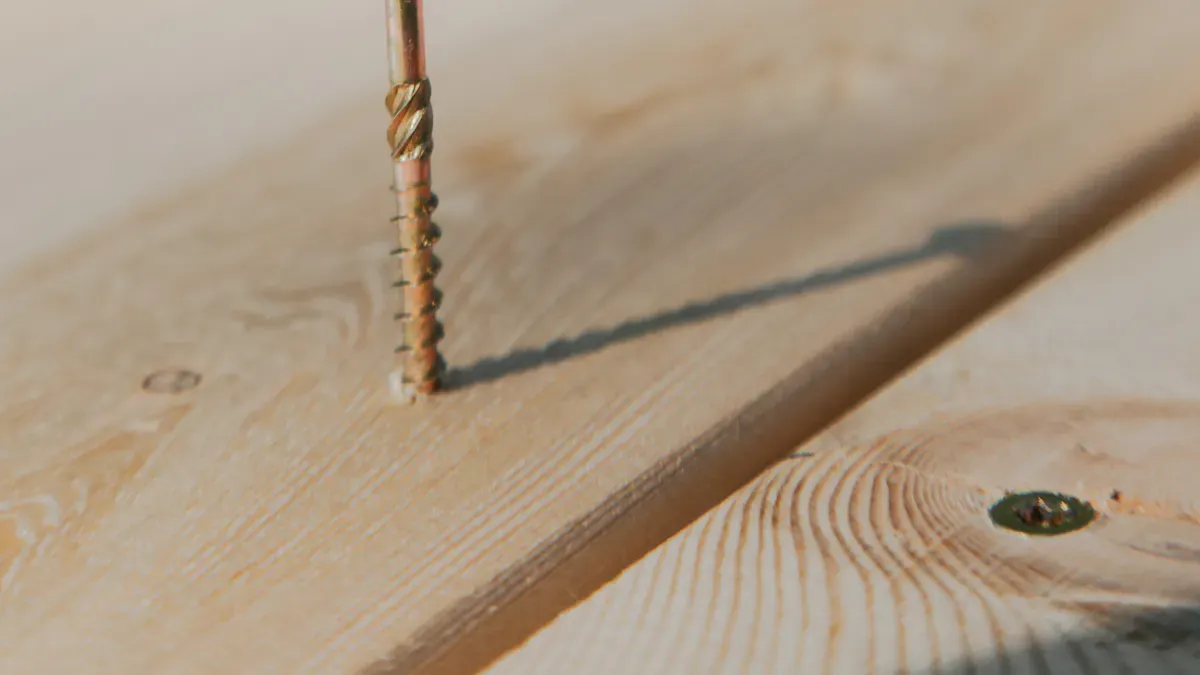
When you work with wood, you need to choose the right screws for the job. Wood comes in many types, and each type needs a different screw. If you use the wrong screw, you can split the wood or cause rust. You want your project to last and stay strong.
Best Stainless Steel Screws
Wood Screws, Deck Screws
You should match your screw to the type of wood you use. Here is a simple table to help you pick the right screw for hardwood, softwood, and outdoor wood:
Hardwood is dense and tough. You need screws that can handle high torque, like Torx or Robertson drive screws. Pre-drilling is important for hardwood. This step stops the wood from splitting when you drive in the screw.
Softwood is easier to work with. Phillips drive screws work well here. You do not need as much force. These screws go in smoothly and hold the wood together.
For outdoor wood, always use stainless steel screws. These screws resist rust and last longer in rain or damp air. Deck screws are a good choice for outdoor decks and fences. They have special coatings or are made from stainless steel to fight corrosion.
Tip: Always check the wood type before you start. The right screw keeps your project safe and strong.
Installation Tips
Pre-drilling, Length Choice
Proper installation makes a big difference. If you skip steps, you can damage the wood or weaken the joint.
Pre-drill holes in hardwood. This step makes it easier to drive the screw and stops the wood from splitting.
Use a drill bit that matches the screw size. The hole should be just a bit smaller than the screw.
For softwood, you may not need to pre-drill. Test on a scrap piece first.
Pick the right screw length. The screw should go through the first piece and at least halfway into the second piece. Too short, and the joint is weak. Too long, and the screw can poke out or split the wood.
If you use the wrong screw or skip pre-drilling, you risk splitting the wood. Splits make the project look bad and can weaken the structure. Using the wrong material can also lead to rust, especially outdoors. Rusty screws can stain the wood and make the joint fail.
Note: Take your time with installation. Careful work gives you a strong, lasting result.
By choosing the right stainless steel screws and following good installation steps, you protect your wood projects from damage and make them last longer.
Metal Application
Choosing the right screws for metal projects is important for safety and durability. You need to use metal roofing screws that match the demands of your job. If you use the wrong screws, you may see leaks, rust, or weak joints. Good screws keep your roof secure and protect your building from water damage.
Metal Roofing Screws
Sheet Metal, Self-tapping
For roofing applications, stainless steel screws offer strong resistance to rust. Many metal roofing screws use 316-grade stainless steel. This grade stands up well in harsh weather and coastal areas. You often see these screws with EPDM washers. These washers stay flexible and do not break down in sunlight. They help seal the screw hole and stop leaks.
Self-tapping screws make your work faster and easier. You do not need to drill a pilot hole first. These screws have sharp, hardened tips that cut into metal. You save time and effort. Self-tapping screws can reduce installation time by up to 60% compared to standard screws. They also hold tight, even in tough conditions.
Tip: Use self-tapping screws for sheet metal to get a strong grip and a watertight seal.
Installation Advice
Drill Bits, Torque
Proper installation keeps your roof leak-free and strong. You need to use the right tools and steps. Here are some important techniques:
You should use a drill bit that matches the screw size. This helps the screw go in straight and prevents damage to the metal. Set your drill to the right torque. Too much force can strip the hole or crush the washer. Too little force can leave the screw loose and cause leaks.
Metal roofing needs careful planning. Each part of the installation works together to keep water out and make the roof last longer. Always check your work at the end to make sure every screw is tight and every seam is sealed.
Note: Careful installation protects your building and saves you from costly repairs.
By using the right stainless steel screws and following these steps, you can build a roof that stands up to weather and time.
Other Materials Application
Plastic and Composite
Specialized Screws
Sometimes you need to connect plastic or composite materials. These materials can break or bend if you use the wrong screw. Pick stainless steel screws with wide, deep threads. These threads hold plastic and composite without hurting them. Do not use screws with sharp points unless the material is thick. Blunt tips help stop splitting.
Plastic and composite often get wet or face heat and cold. Stainless steel screws do not rust or corrode in these places. This keeps your project strong and looking nice for a long time.
Tip: Try a screw on a scrap piece first. This lets you see if the screw works without breaking the material.
You can use pan head or washer head screws for plastic. These heads spread out the force and stop pull-through. For composite decking, use screws made for that job. They may have special coatings or thread shapes for the material.
Masonry and Concrete
Anchors, Masonry Screws
You need special screws for masonry or concrete. Regular wood or metal screws will not work in hard materials. Use masonry anchors or stainless steel masonry screws. These screws have threads that cut into concrete or brick and hold tight.
Corrosion resistance matters in masonry, especially in wet places. Stainless steel masonry screws do not rust, even in water. This keeps your fixtures safe for a long time.
Here is a table with important facts for stainless steel masonry screws:
Drill a pilot hole before you put in masonry screws. Use the right bit size for the screw. Make sure the screw goes at least 1-1/2 inches into the material. This gives a strong hold. Keep screws at least 6 inches apart and 3 inches from the edge. This helps stop cracks.
Note: Always check the fixture thickness and hole size before you start. This makes sure your connection is safe and lasts a long time.
Stainless steel anchors and masonry screws give strong, rust-proof fastening in concrete, brick, or block. You can trust these fasteners for outside, basement, or factory projects where there is moisture.
Selection and Application Recommendations
Matching Screw to Project
Assessing Needs
You need to match the right stainless steel screw to your project for safety and long-lasting results. Start by looking at the main criteria that affect your choice. Use the table below to help you compare and decide:
You should avoid common mistakes when choosing screws. Many people pick the wrong grade or ignore the environment. See the table below for mistakes to watch out for:
Take time to assess your needs. Think about where you will use the screw, what it will hold, and how long you want it to last. This careful planning helps you avoid problems and keeps your project safe.
Tip: If you have a special project or need a custom size, ask your supplier about custom options and after-sales support. This ensures you get the best fit for your job.
Installation Best Practices
Tools, Torque, Safety
You need to follow best practices during installation to get the strongest and safest results. Use these steps to guide your work:
Use the Right Screw Length: Pick a screw that is long enough to grip both pieces but not so long that it pokes out.
Maintain Proper Spacing: Place screws evenly. This spreads out the load and keeps the structure strong.
Use Washers When Needed: Washers protect surfaces and help the screw hold better.
Work at the Correct Speed: Drill or drive screws at a steady speed. Fast speeds can damage the material.
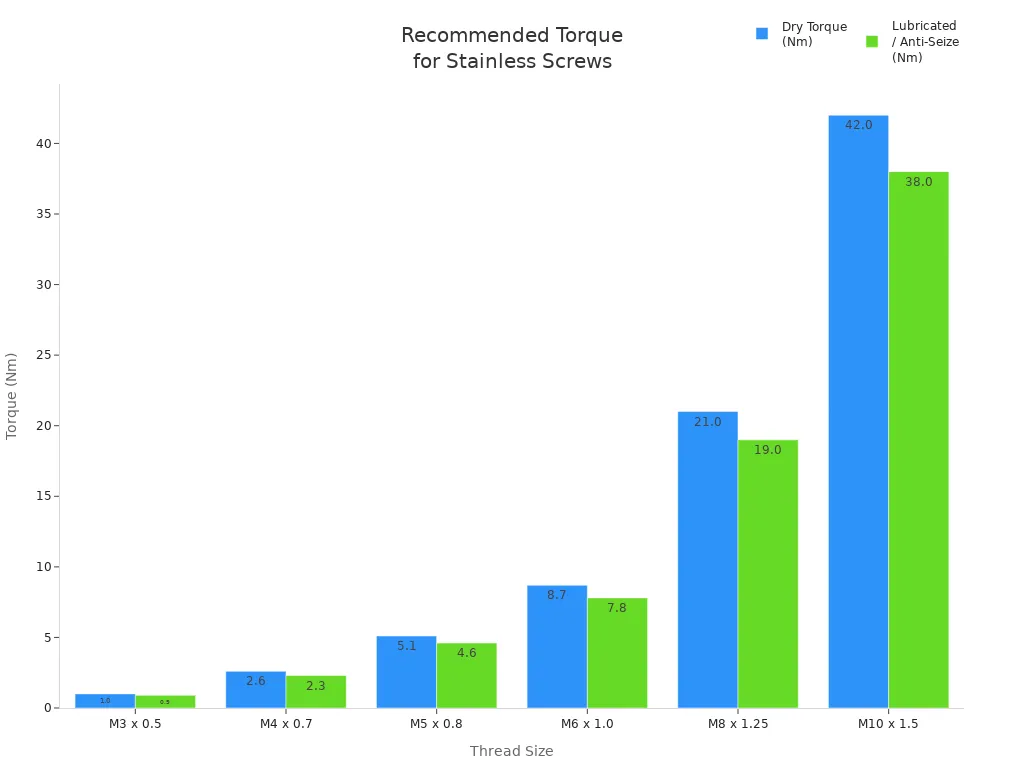
You also need to use the right tools and torque settings. The table below shows the recommended torque for different screw sizes:
You can see how torque changes with size and lubrication in the chart below:
Follow these safety tips for the best results:
Always use anti-seize compound. This stops the screw from sticking and makes tightening easier.
Control your speed. Use hand tools for final tightening. This prevents heat and damage.
Use a calibrated torque wrench. This tool helps you reach the right tightness every time.
Keep threads clean. Dirt can cause the screw to jam or break.
Avoid over-tightening. Too much force can strip threads or break the screw.
Note: Good installation keeps your project safe and strong. Careful work saves time and money in the long run.
You can use these selection and application recommendations for wood, metal, plastic, or masonry. Each material has its own needs, but these steps help you get the best results every time.
Picking the right stainless steel screws helps your project stay strong and safe. You get many good things when you use them:
They last a long time and do not rust.
They hold wood, metal, or plastic tightly.
You will not need to fix things as often, so you save money.
Your project looks nice and does not get rusty spots.
Always pick screws that fit your project. If your job is special, follow these expert tips:
Look at what material you have and pick the right grade.
Think about how much weight the screw must hold.
Make sure the screw can handle water or chemicals.
Buy from a company you trust.
If you are not sure, ask the company that makes the screws. Some important things to think about are:
When you pick and install screws the right way, your projects last longer and look better.
FAQ
What grade of stainless steel screw should you use outdoors?
You should use 316-grade stainless steel for outdoor projects. This grade resists rust and corrosion from rain and salt. For most indoor or mild outdoor jobs, 304-grade works well.
Can you use stainless steel screws in treated wood?
Yes, you can use stainless steel screws in treated wood. These screws resist the chemicals in treated lumber and prevent rust stains. You protect your project from early failure.
Do you need to pre-drill holes for stainless steel screws?
You should pre-drill holes in hardwood or dense materials. This step prevents splitting and makes driving screws easier. In softwood, you can often skip pre-drilling.
How do you prevent stainless steel screws from seizing?
You can use an anti-seize compound on threads. This stops galling and makes installation smoother. Tighten screws slowly and use the correct torque.
Are stainless steel screws magnetic?
Most stainless steel screws are not magnetic. Some grades, like 410, may show slight magnetism. You can check with a magnet if needed.
What tools work best for installing stainless steel screws?
You should use a screwdriver or drill with the correct bit. For pan head or Phillips screws, use a Phillips bit. For hex heads, use a matching wrench or socket.
Can you reuse stainless steel screws?
You can reuse stainless steel screws if threads and heads remain undamaged. Always inspect screws before reuse to ensure safety and strength.
Why do stainless steel screws sometimes gall or lock up?
Stainless steel can gall when threads rub together under pressure. This happens more with dry threads. Use lubrication and avoid over-tightening to reduce this problem.
Get Quote
Welcome To Know Our Products
Get Product and Service Information
Follow us
We provide OEM service and focus on stable quality, competitive pricing and responsive export support.


Contact Info
Add:Dongmingyang Industrial Park, Mingguan Town, Yongnian District, Handan City, Hebei Province China
Export salesman:
WhatsApp:+86 18830064300
E-mail: sales@hgtfix.com
Export salesman:
WhatsApp
+86 18830064300
E-mail:
Copyright © 2022 HEBEI YONGYI FASTENERS MANUFACTURING CO.,LTD Power by 300.cn | SEO